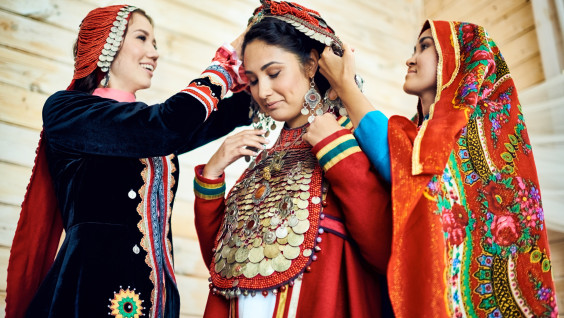
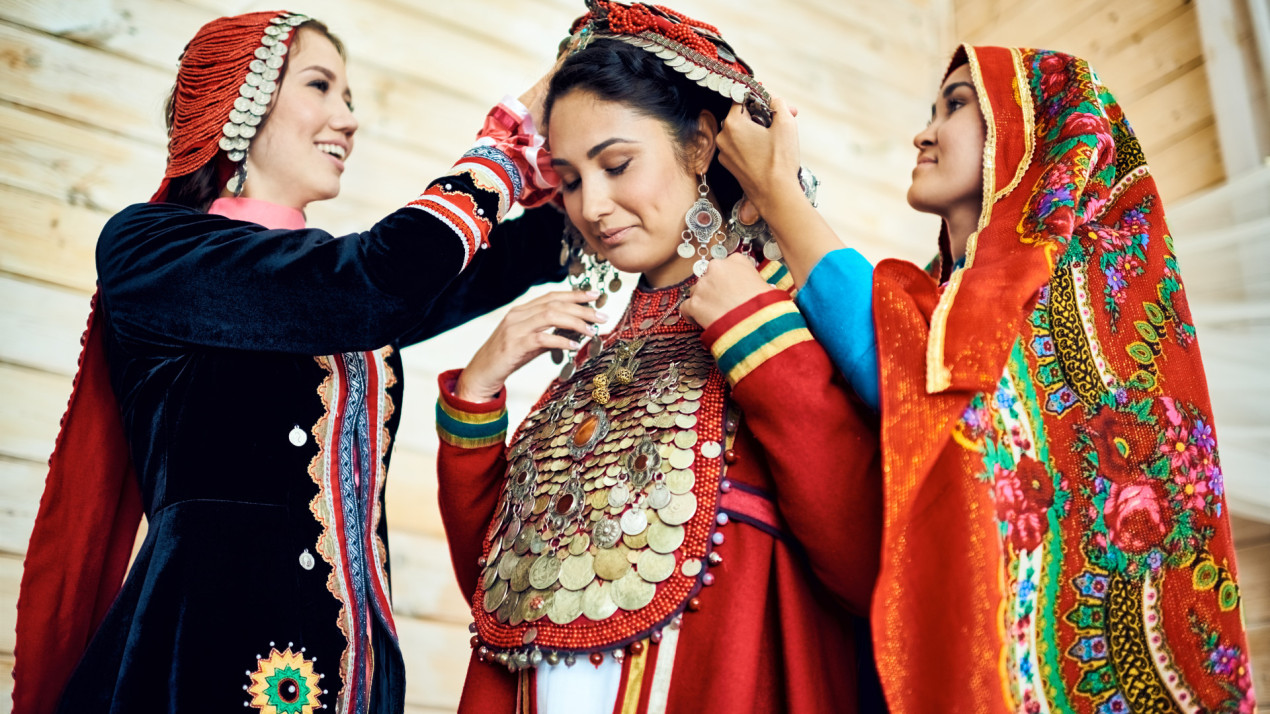
The work presented at the exhibition of the RGS "Multinational Russia" in Vienna. Photo: Gulnaz Makiyeva, participant of the photo contest "The Most Beautiful Country"
Russian cultural influence in Austria has historically shaped relations between the two countries: one just has to recall the Vienna tours of Fyodor Shalyapin and Sergei Rachmaninoff. This November, the streets of Vienna were decorated with the exhibition «Multinational Russia»: images of huts, ice caps of mountains, Bashkir wedding traditions. With the help of the RGS, Russia will continue to be shown on the streets of Europe in 2025. We found out from representatives of public organizations and business circles whether the tools of public diplomacy help connect peoples and countries, even in a difficult geopolitical situation.
At the turn of the 19th century, Vienna became an important cultural crossroads for the Russian intelligentsia, influencing Russian art through personal contacts between artists, musicians, and scientists.
Aleksandr Pushkin made the Viennese composer Mozart the central figure in his tragedy «Mozart and Salieri», and Leo Tolstoy used Beethoven’s music in «The Kreutzer Sonata». Anton Chekhov admired the Austrian capital in his letters. The poet Rainer Maria Rilke was in creative correspondence with Marina Tsvetaeva and Boris Pasternak. In 1932, five alleys named after Russian writers appeared on the maps of Vienna at once: Puschkingasse, Gogolgasse, Dostojewskigasse, Turgenjewgasse, and Tolstojgasse.
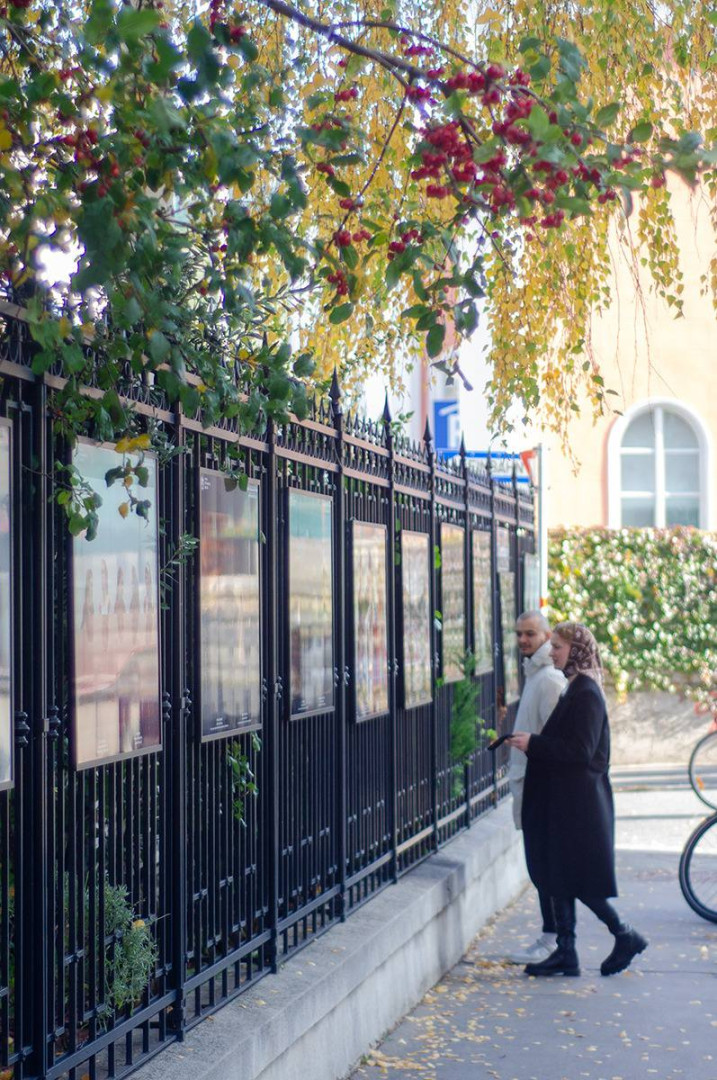
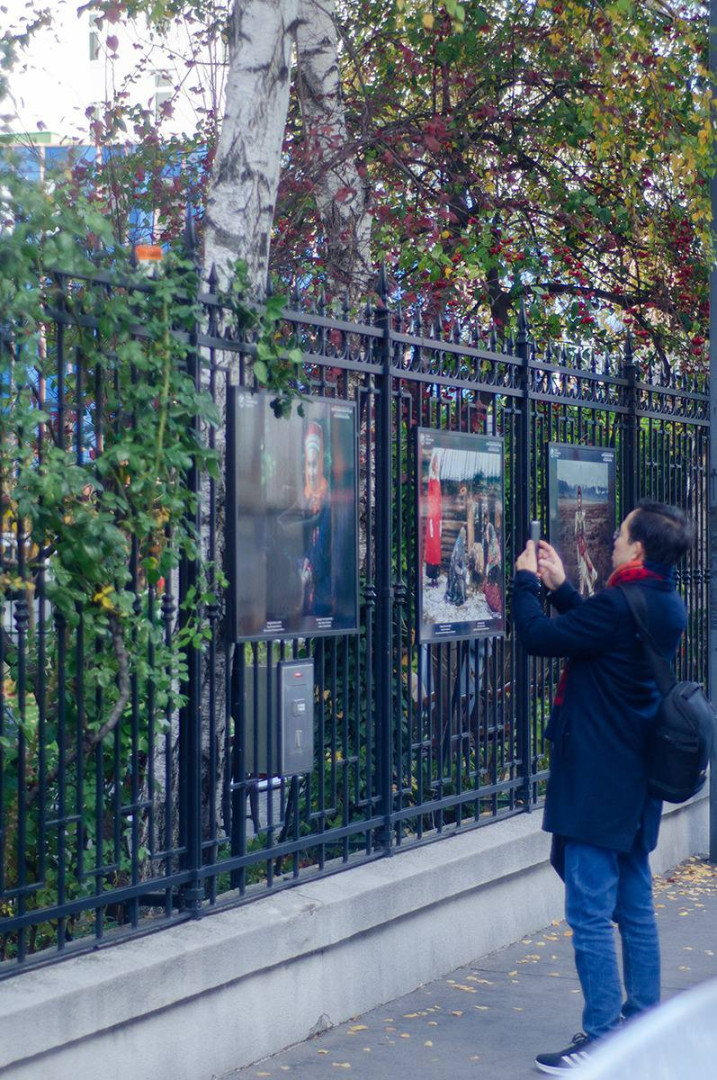
In 2025, the RGS Youth Club continues to operate in Vienna. It organized the «Multinational Russia» exhibition. It was held with the support of St. Nicholas Cathedral in Vienna. An exhibition of 20 photographs about the culture and everyday life of different regions of Russia is located on the exterior of the building, which makes it accessible not only to parishioners, but also to all passers-by. The cathedral is located in the diplomatic quarter of Vienna, which means that representatives of different countries can also get acquainted with the works.
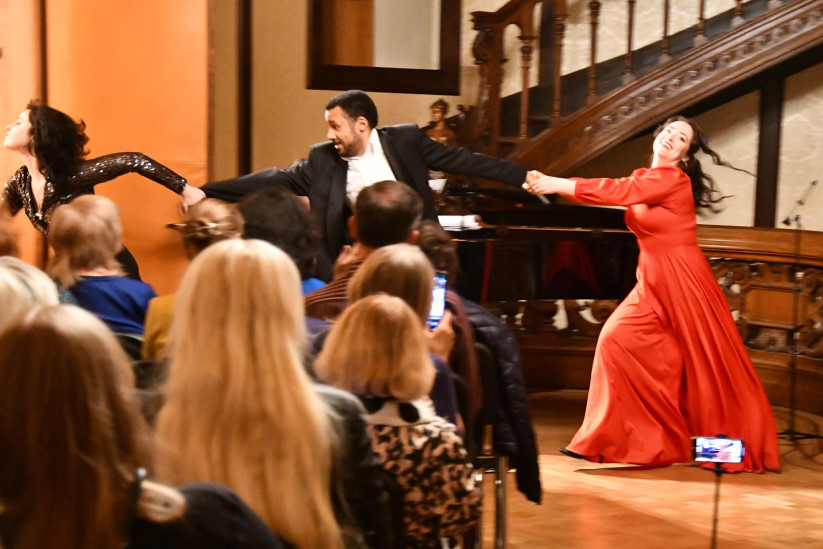
Opera singer of the Mariinsky Theatre Dmitry Lebamba (center) at the “Tchaikovsky and Beyond” concert in Vienna. Photo: Russian House in Vienna
«Despite the fact that due to the current political situation, the number of activities related to Russia has decreased, the interest of the Austrian society in our country remains high,» said Dmitry Erokhin, head of the RGS Youth Club in Vienna. «Russian classics are still performed on Austrian stages. Clubs that value business ties with Russia are also actively involved. Recent highlights include lectures on the history of Austrian wine at the court of the Russian emperors and the expedition that discovered Franz Josef Land. The RGS Youth Club also holds thematic meetings, for example, an event dedicated to the 200th anniversary of Johann Strauss, focused on the period of his life in Russia. At the same time, we focus on topics that are important to everyone, regardless of the political situation. A great example was a series of film screenings about the Amur tiger, the Far Eastern and Caucasian leopards, which included films made by Austrian and Dutch film companies.»
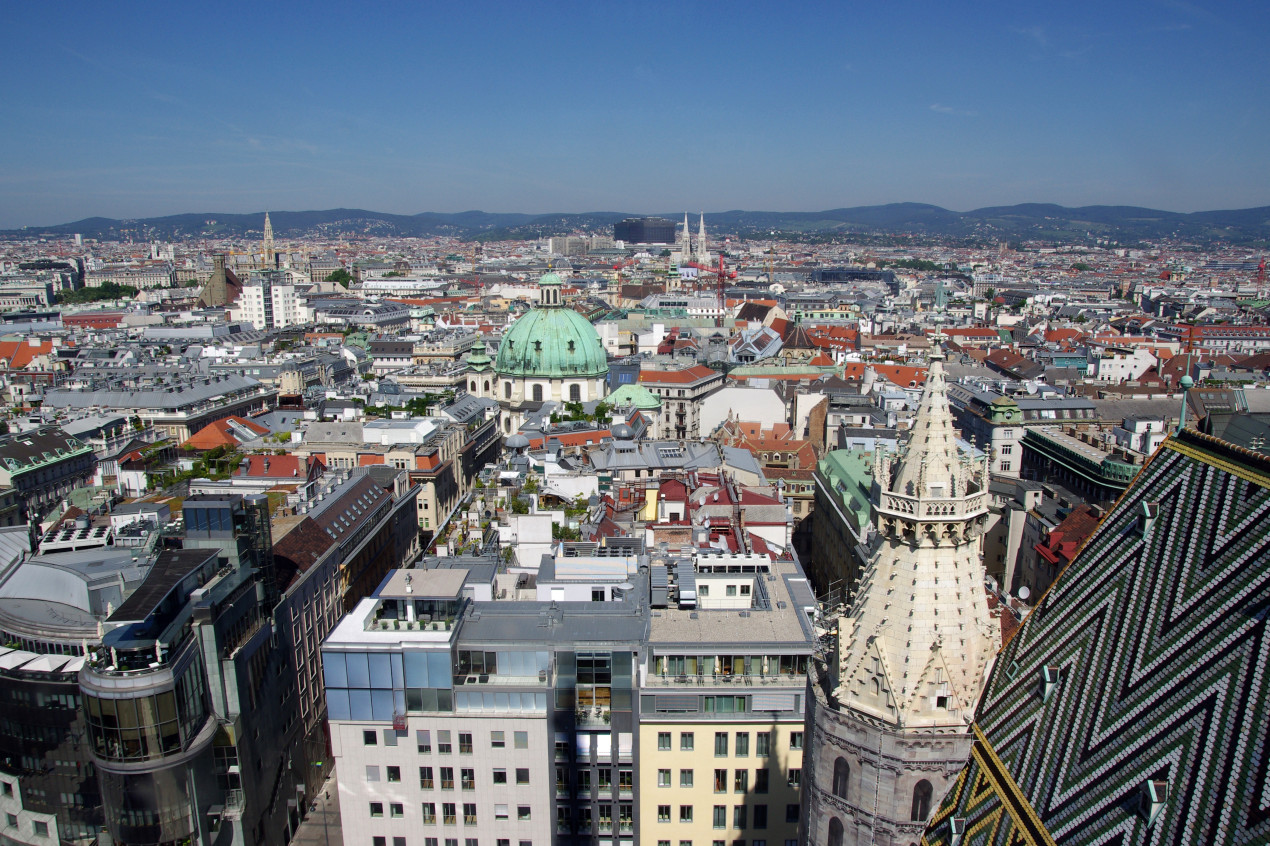
View of Vienna from St. Stephen's Cathedral. Photo: Jakub Halun, Wikipedia.org
The year 2025 was one of the busiest years for «Russian» events in Vienna. The RGS Youth Club has conducted more than 15 activities, many of them — for example, a VR voyage along the Volga — are aimed at children. In addition, as Dmitry Erokhin noted, joint holidays are held as part of the work of the RGS Youth Club, and traditions of celebrating New Year and Christmas in both countries are being studied. All events are held on a voluntary and gratuitous basis — organized by enthusiasts.
Opera singer from the Mariinsky Theatre Dmitry Lebamba, one of the organizers of the event, said that the idea to make a regular exhibition had arisen after an active response to the exhibition «Memory of Generations», which took place in May.
«The St. Nicholas Cathedral in Vienna was built at the personal expense of Aleksandr III, ” said Dmitry Lebamba. "There is a lot of traffic around the cathedral. We were doubtful about the venue of the exhibition: times are difficult, people can pour something on or tear off the photo. Despite this, the exhibition caused a stir. The exhibition is designed in two languages, and walking past the cathedral, you can often see passers-by stopping to look at photos and read descriptions. Many people began to remember the Russian language. That was the main message: to dispel some of the prevailing stereotypes, to once again emphasize the openness of our society. In times of crisis, when there is no way to resolve issues politically, science and culture come to the rescue."
Gerald Sakuler, Chairman of the Austrian Business Club in Russia, noted that informal communication is more necessary than entertainment today. He sees its basis in cultural exchange, which begins with religion, music, and art, but also includes much simpler things: national cuisine, drinks, folk dances or just meetings where people can talk. Gerald Sakuler is confident that offline events help to establish deep connections between people.
According to the public figure, government agencies adhere to a policy of blocking any work with Russia. People who come to meetings are afraid that the photos will appear in the media, and this will cause trouble for business. Cultural exchange comes to the rescue here. «Beethoven was the leader of the Count Razumovsky House Music Ensemble, as well as the author of the European anthem,» says Sakuler. Thus, with the help of informal events, it is possible to clearly explain to people by examples what connects them.
As the organizers noted, the effectiveness of street exhibitions is determined by two key factors: strategic location and audience relevance. It’s not just about pedestrian traffic, but about getting into an environment where citizens naturally spend their time. However, high traffic is useless without content that speaks the language of a specific audience. The message should not only be visible, but also find a response.
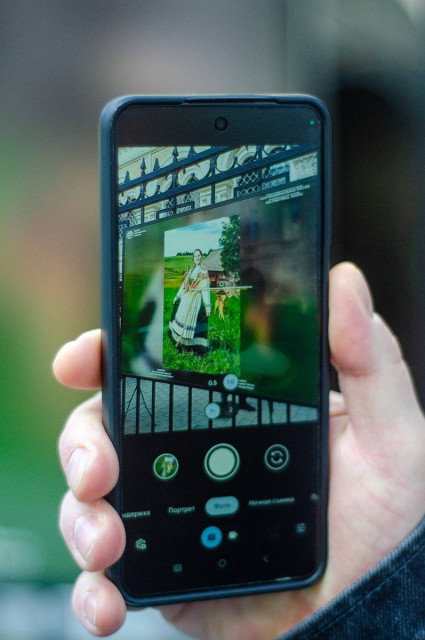
The “Multinational Russia” exhibition. Photo: Dmitry Erokhin
«I recently realized how little I know about Russia,» says Gerald Sakuler. «In Austria, no one knows what is in St. Petersburg, and in Moscow, only the Kremlin and Red Square are recognized. We don’t have enough information about modern Russia. We miss the films that show Russia today: Moscow City, Skolkovo. I was driving from the center of Moscow recently: it’s incredible how many new buildings, shopping malls, restaurants, shops, and upgraded highways are everywhere. There are many new metro trains in your capital with beautiful stations such as Pykhtino, where the Tu-144 aircraft is shown in 1:10 scale. The Volga region with Kazan, Samara, Volgograd, Rostov, as well as Bashkortostan with its mountains, rivers, thermal springs, and stone caves are striking. When I want to talk about Russia, I talk about the wine-growing center of Sochi and the White Cape, Dagestan, Gorny Altai, Novosibirsk, Krasnoyarsk, Irkutsk, big rivers, Lake Baikal, Vladivostok, Sakhalin, Kamchatka and Cape Dezhnev. It’s all fascinating: nature, history, modern sights, people. There are so many places in Russia that no one in Europe knows about, but they need to be shown.»
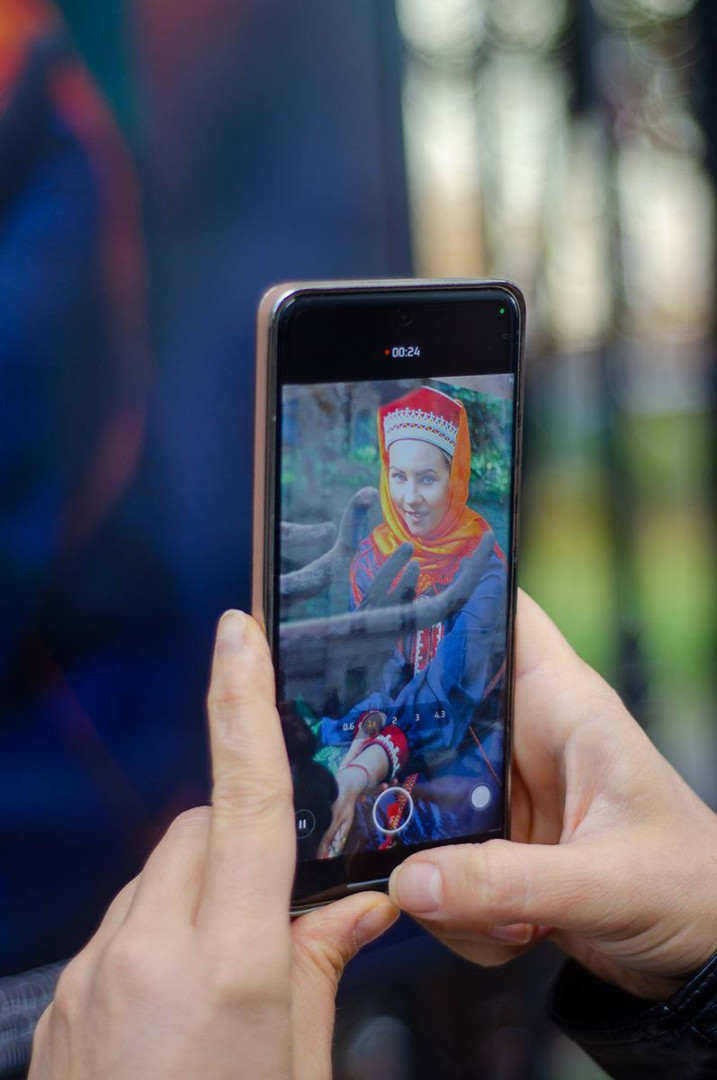
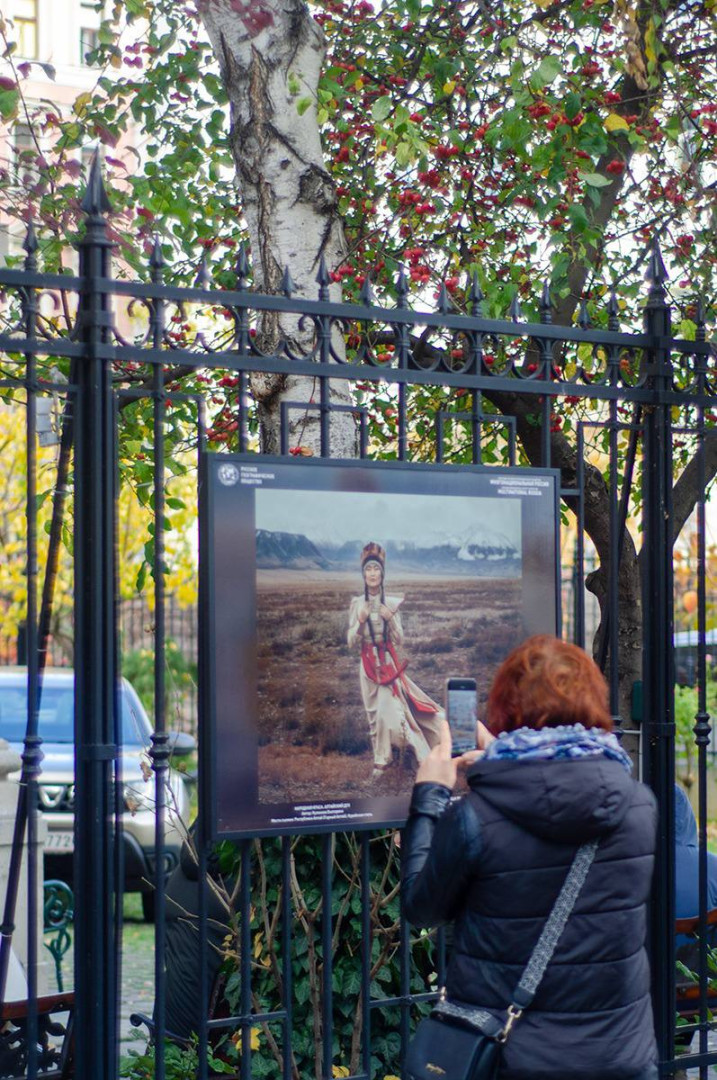
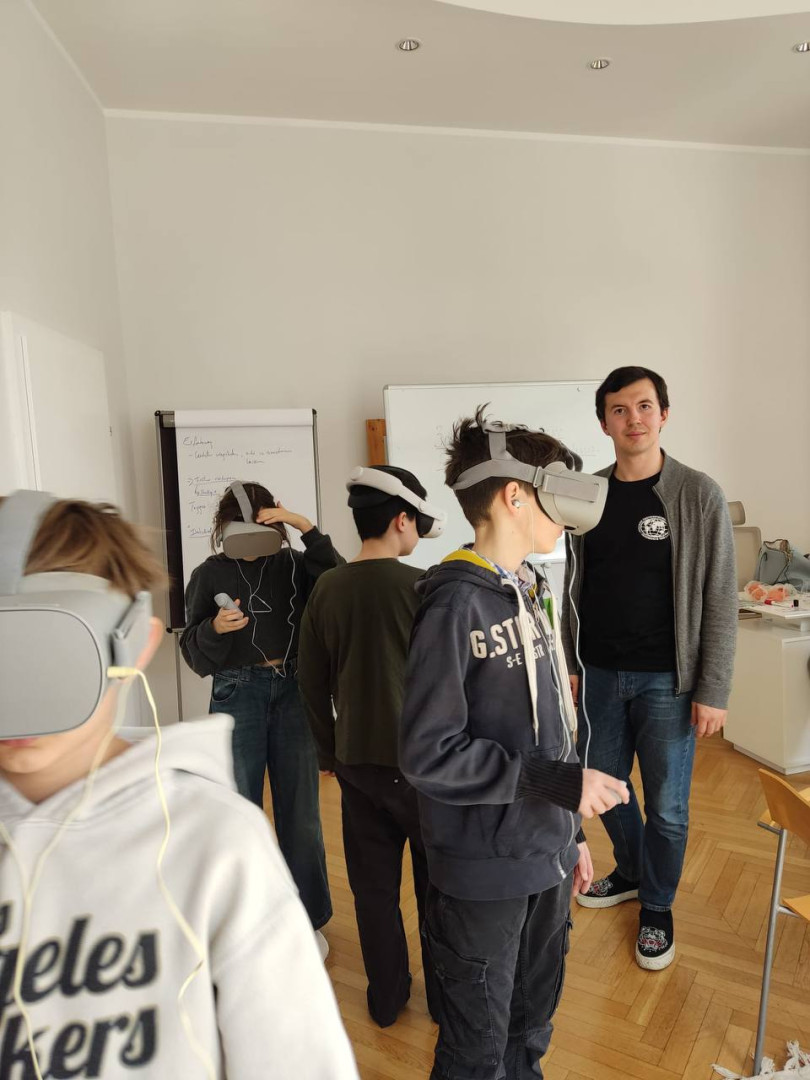
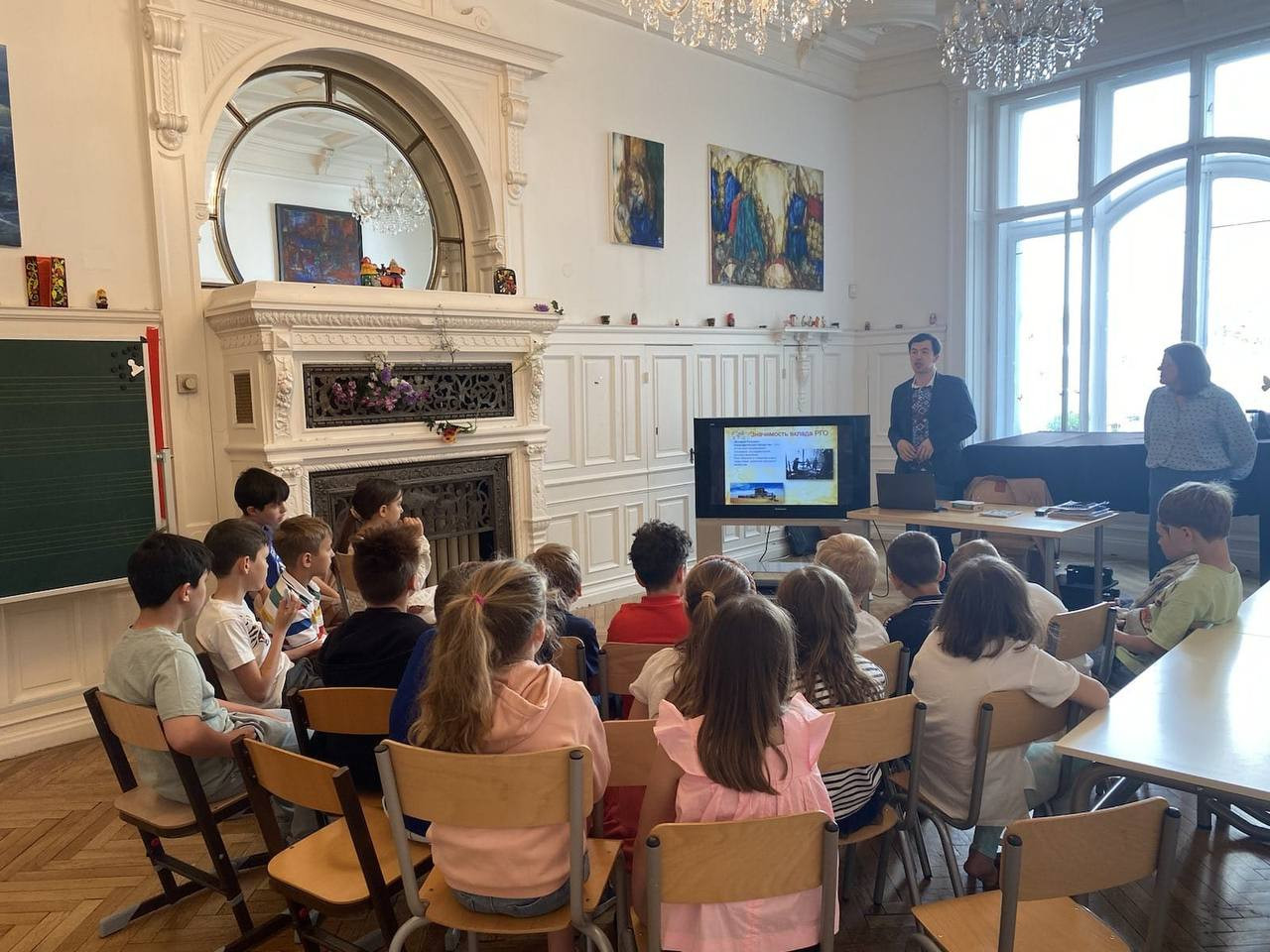
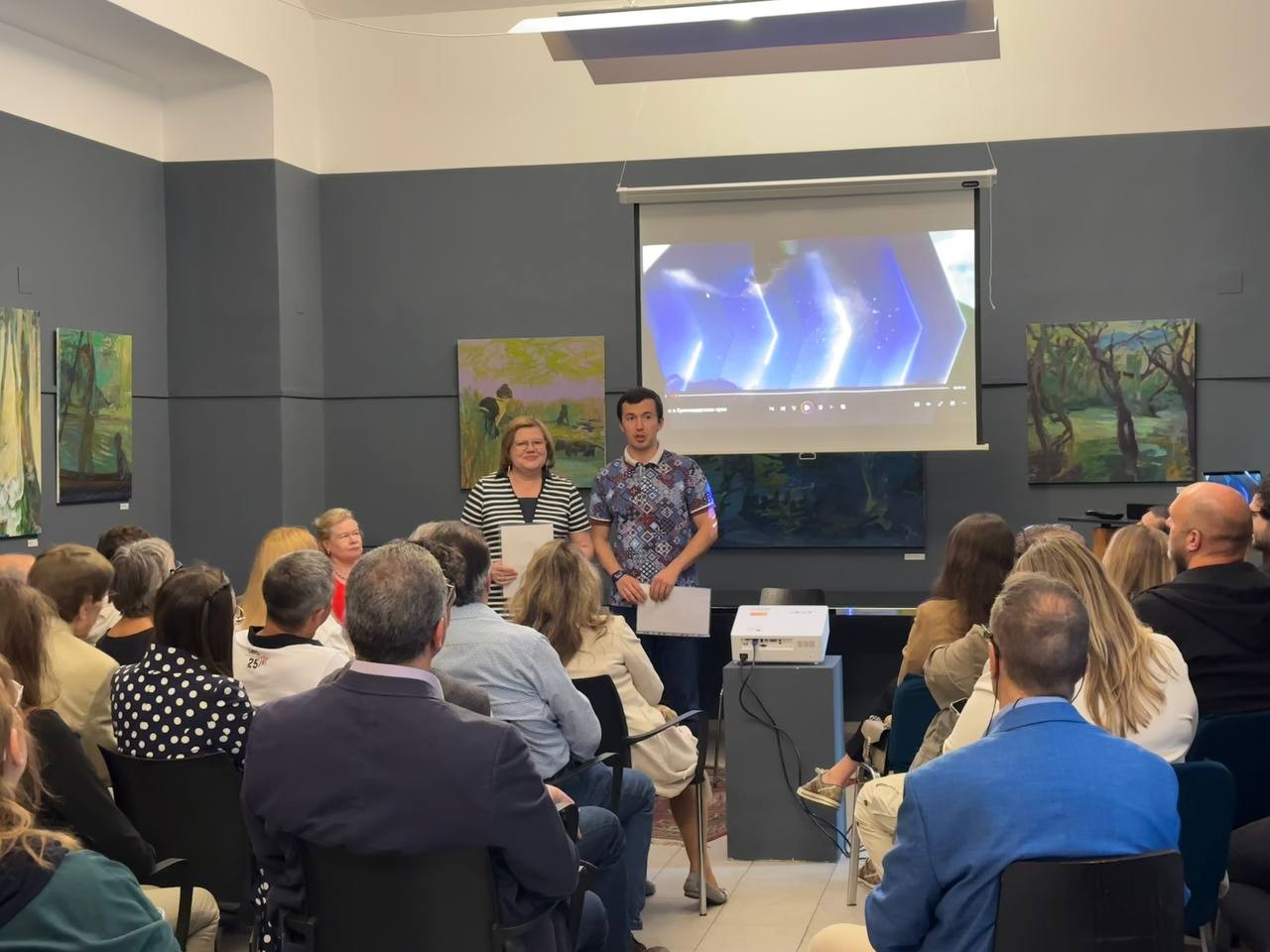
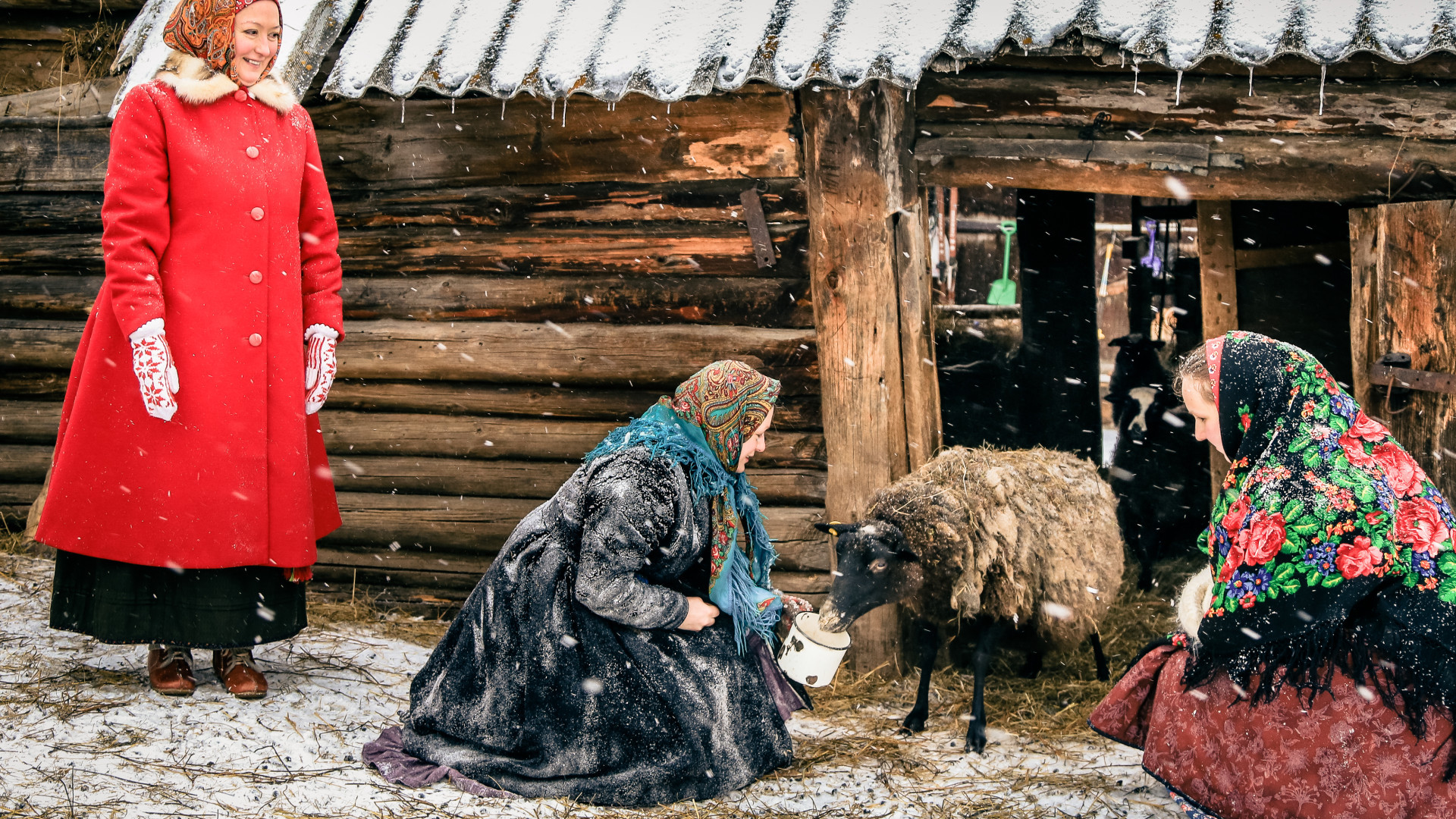
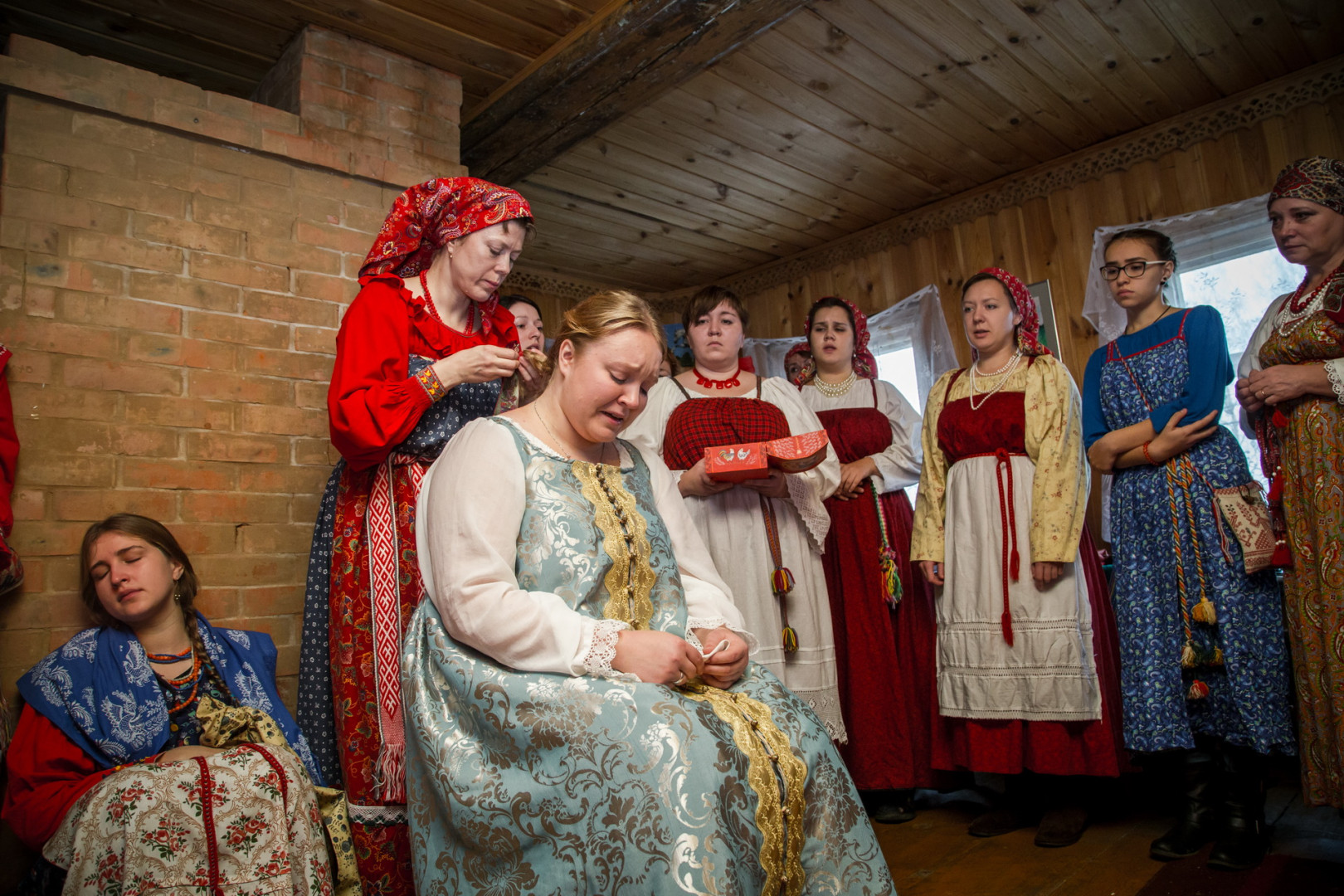
Initiatives based on visual content continue to fulfill the function of «people’s diplomacy», remaining in demand in the current realities. There are plans to continue VR trips to Russian regions together with Austrian schoolchildren. A separate focus will be the events dedicated to the common pages of the history of Russia and Austria, from musical and literary ties to joint geographical expeditions. In addition, thanks to the support of the RGS and the Moscow Government, several hundred books on Russian geography have already been delivered to Vienna. Currently, the creation of a «geographical corner» in one of the literary cafes of the city is being discussed, which should become another point of attraction for residents of the capital.
Maria Buldakova