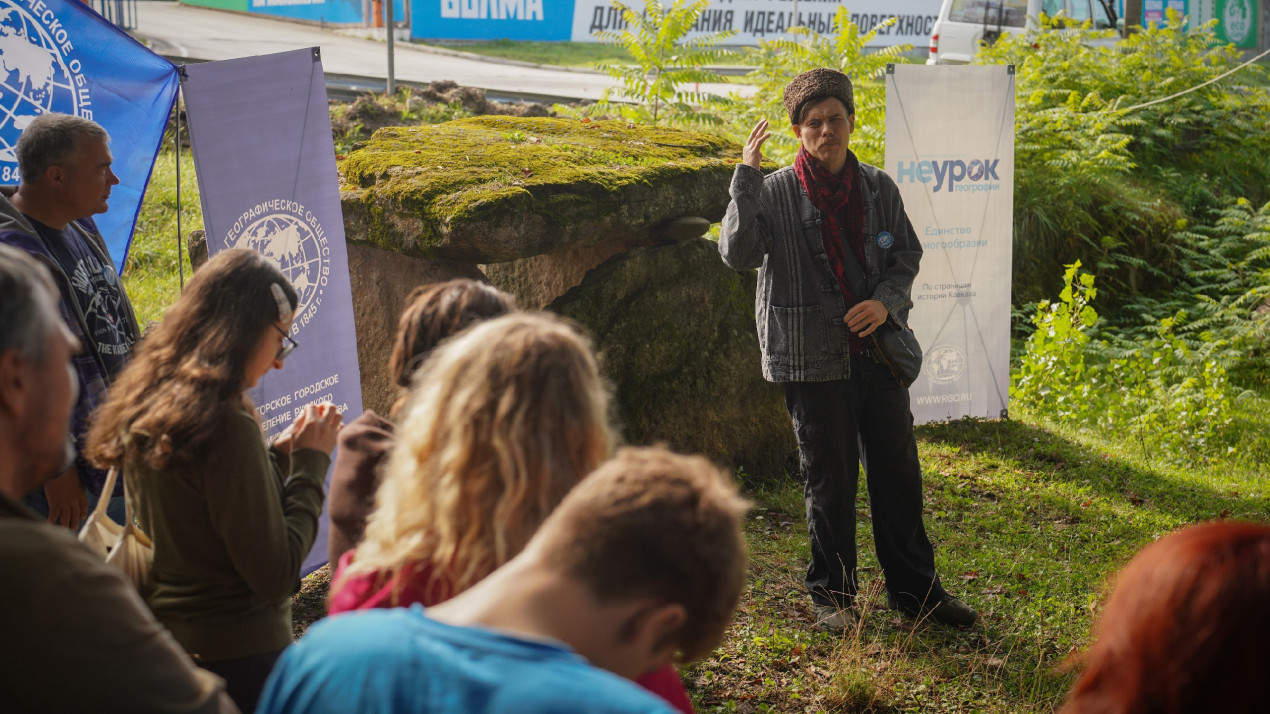
“Geography Not-Lesson” in the Stavropol Territory. Photo: Valery Solovyanov
More than 500 venues in 83 regions of Russia and seven foreign countries joined the Russian Geographical Society’s «Geography Not-Lesson» project this autumn. Various events and the most unusual formats were united by a common theme, «Unity in Diversity».
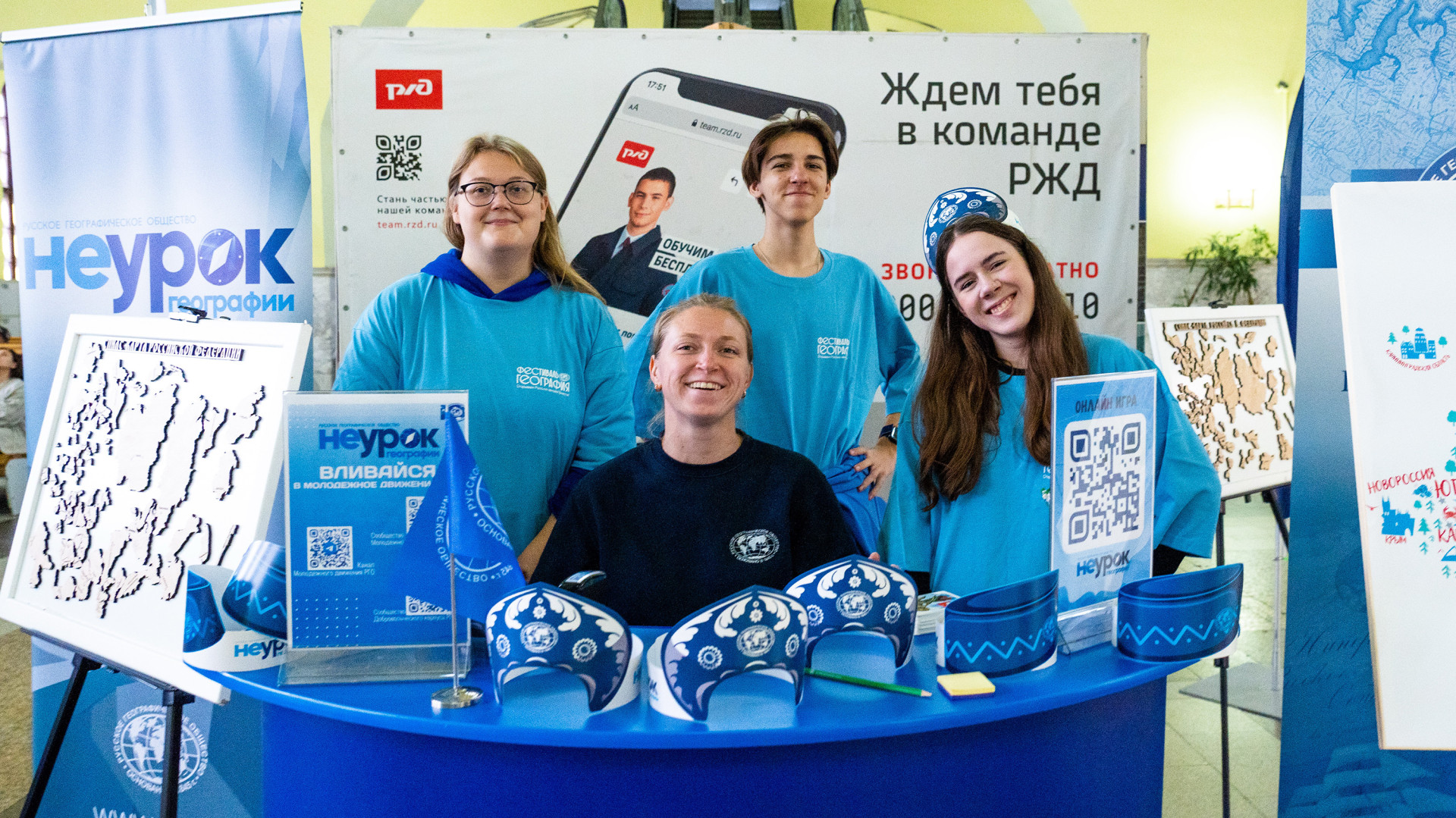
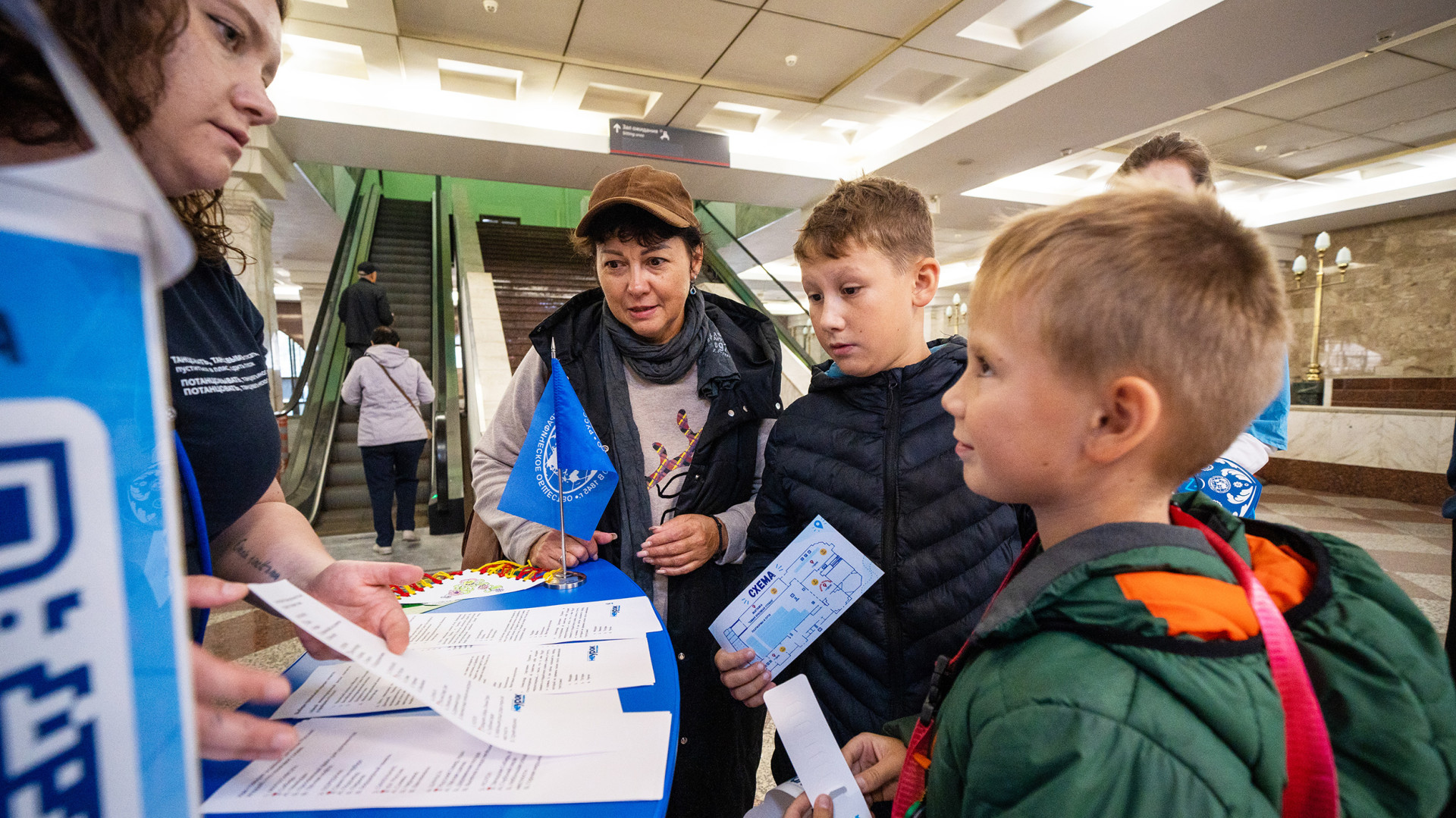
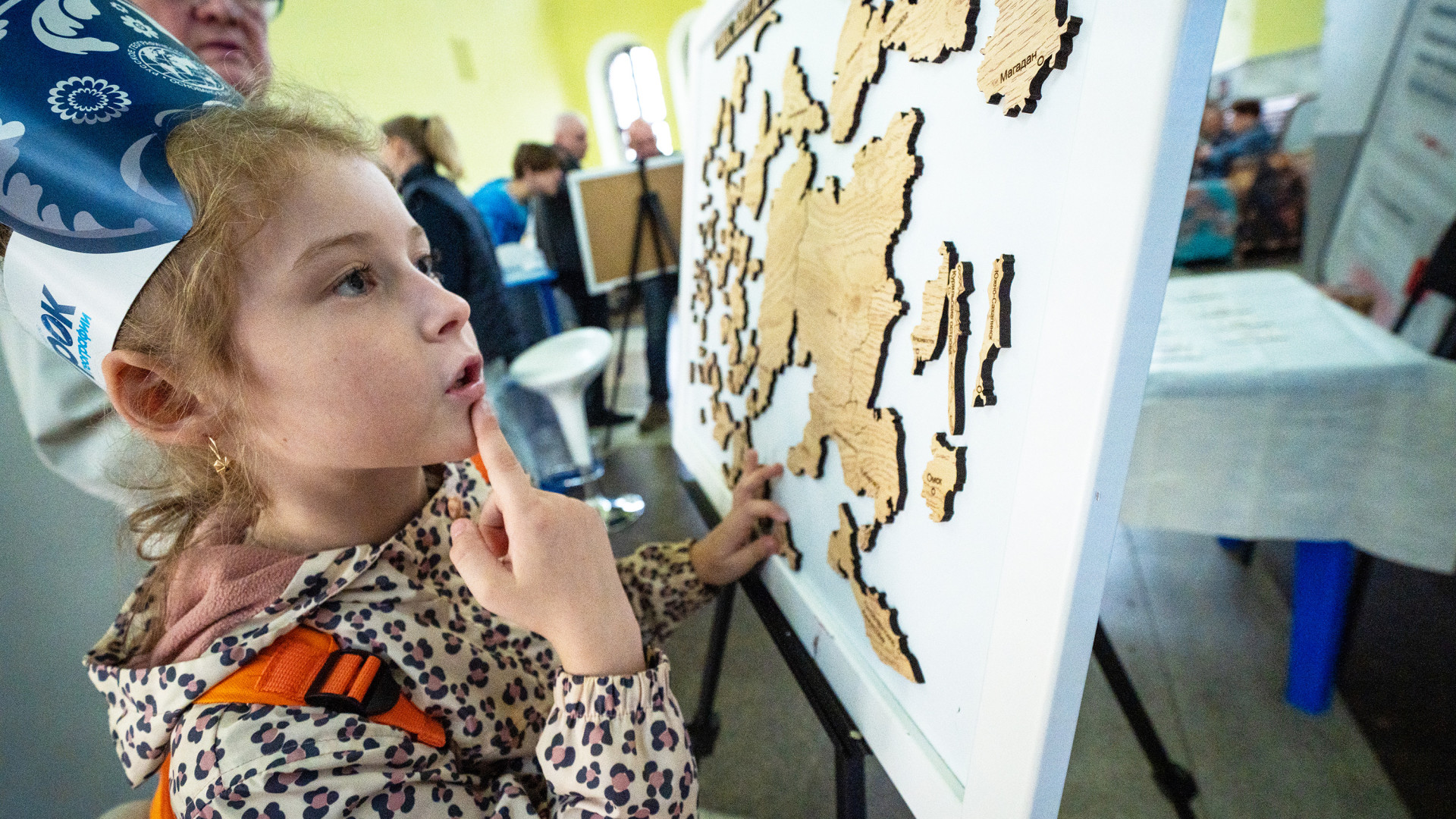
The Kazansky Railway Station was chosen as the venue for the «Geography Not-Lesson, ” which was jointly organized by the RGS and Russian Railways. The location was not accidental: it is here that trains arrive from and depart to Bashkiria, Buryatia, Mordovia, Tatarstan, Udmurtia, Chuvashia, the Rostov Region, the Krasnodar Territory, and the North Caucasus. On September 18, passengers traveling in these directions became participants in the educational program. They guessed the cities based on their coats of arms and landmarks, assembled a map of Russia, learned about regional vocabulary and traditional patterns, and answered quiz questions. The tasks were designed as route cards — by completing the full route, participants received souvenirs.
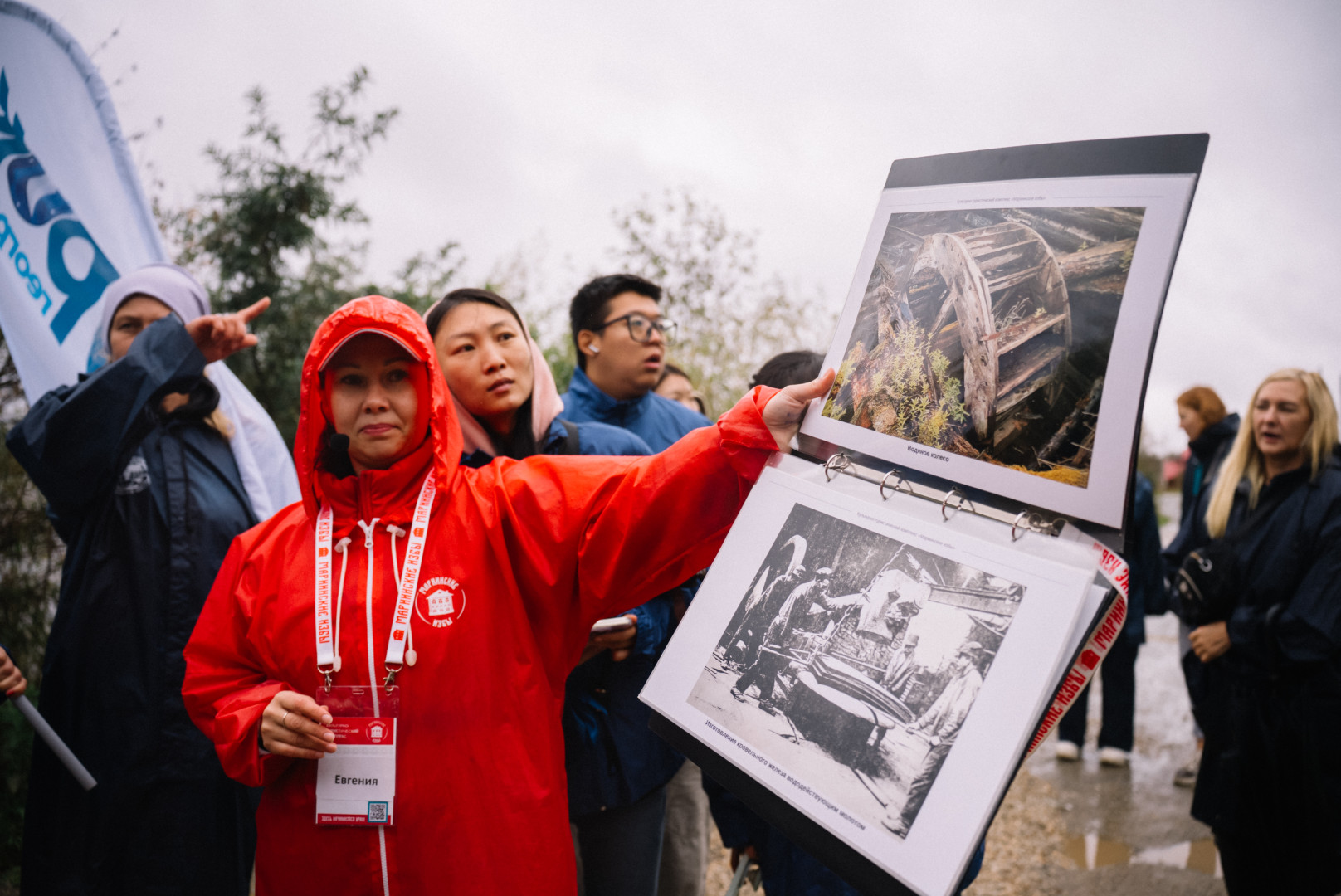
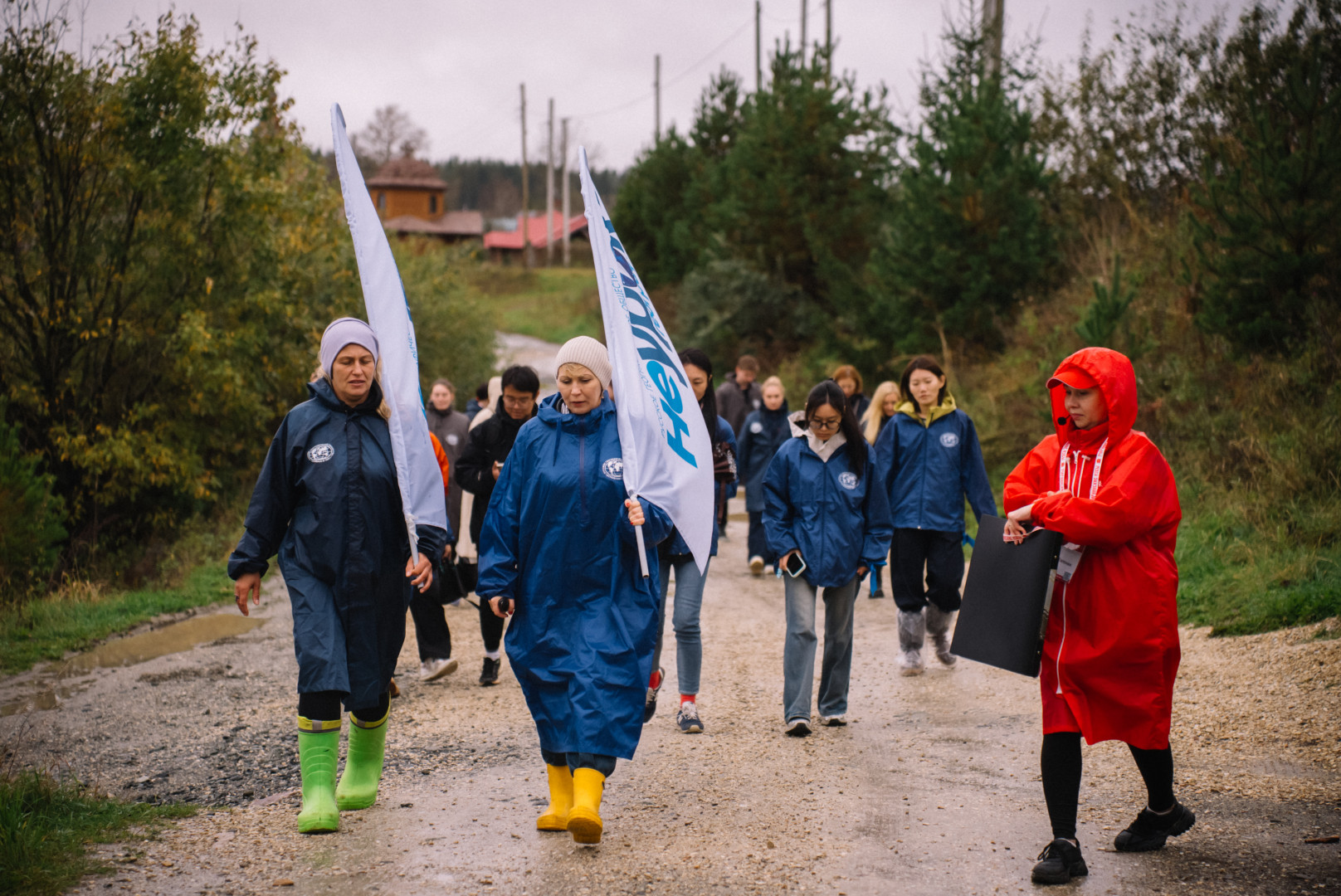
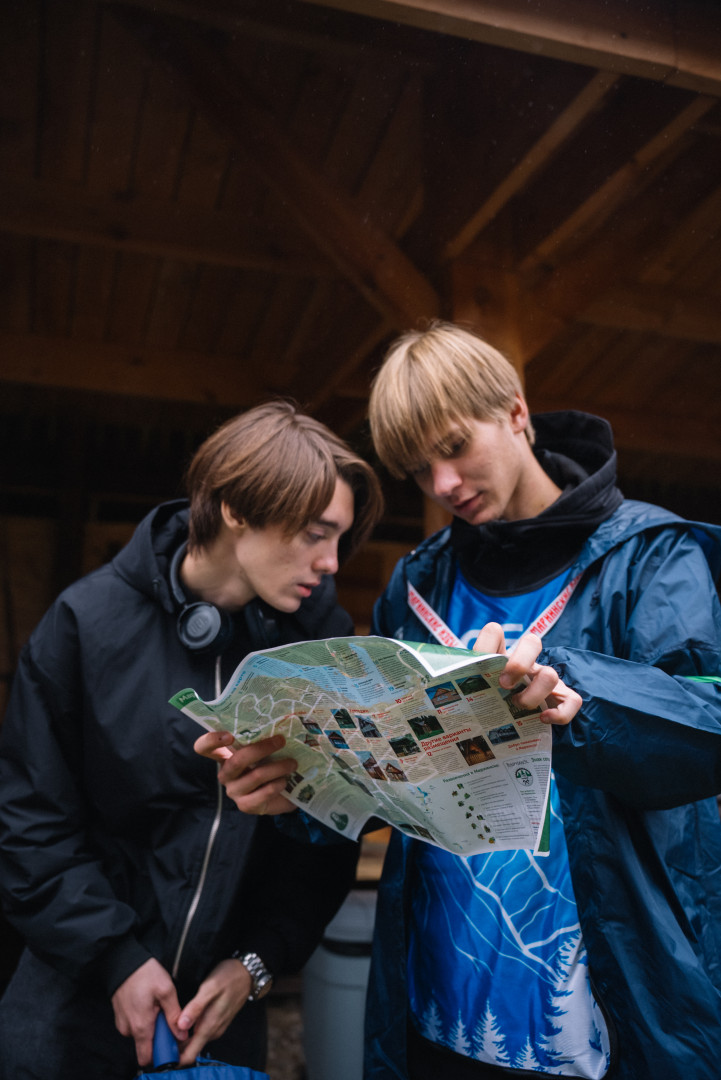
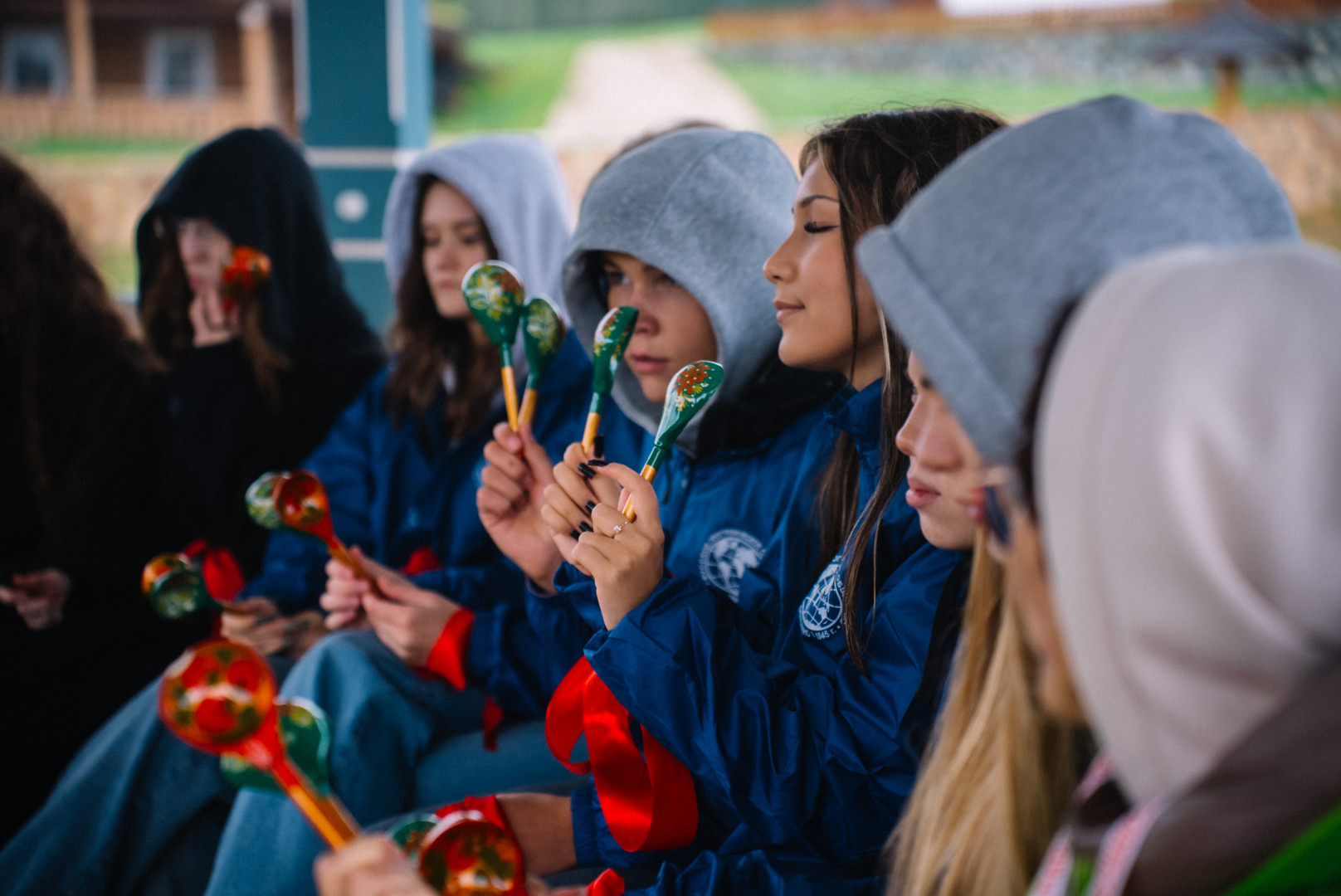
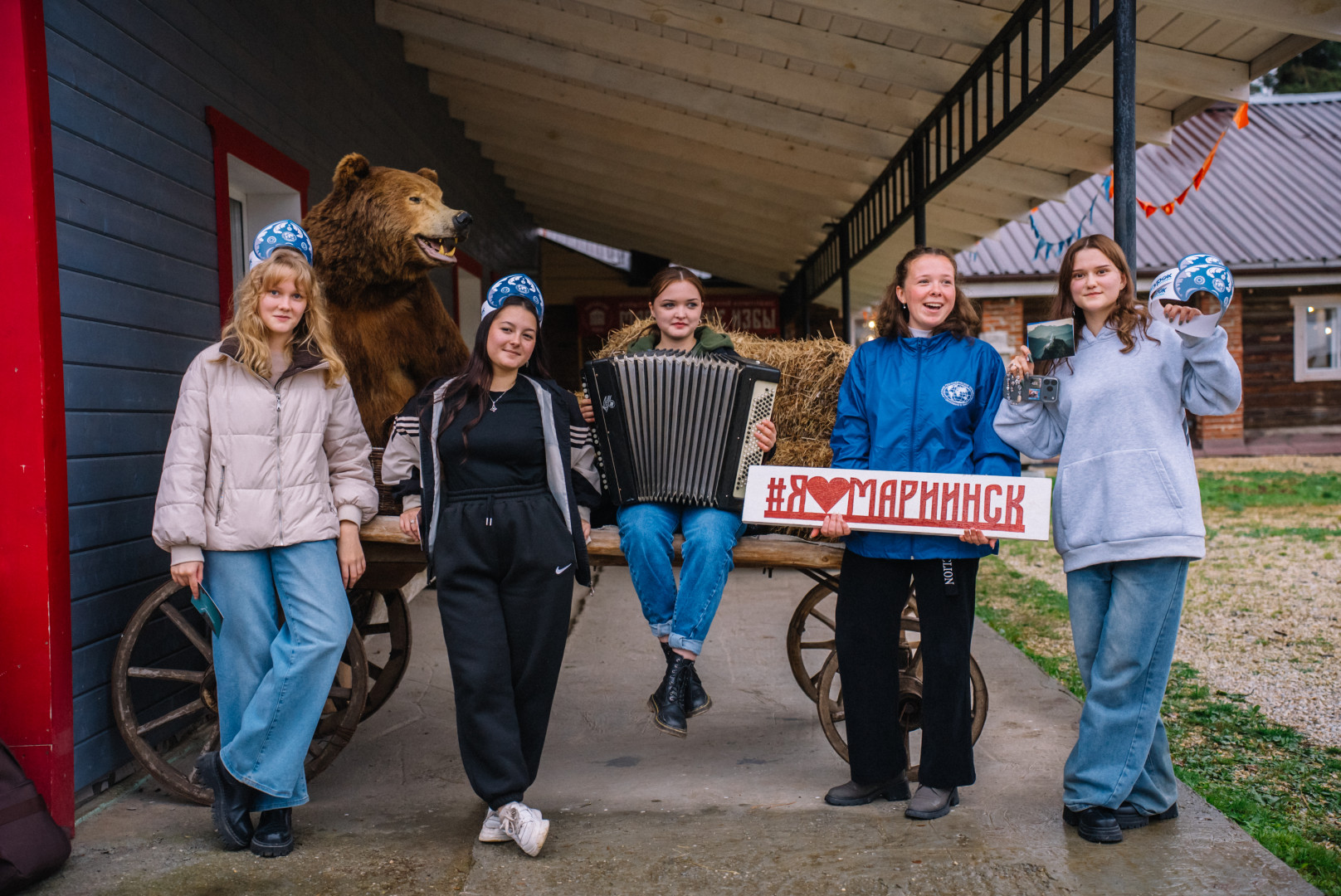
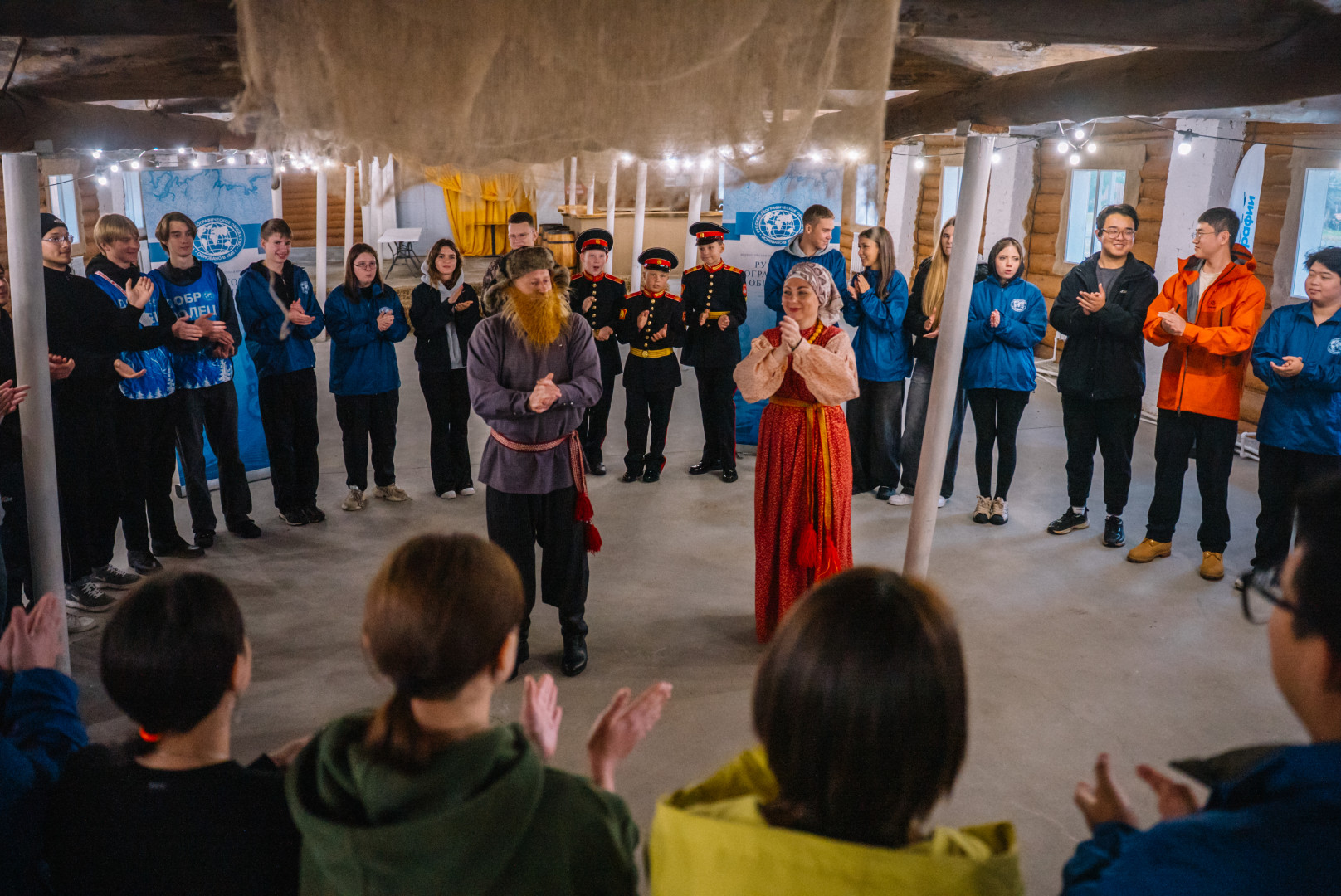
In the Sverdlovsk Region, the «Geography Not-Lesson» was held at the cultural and tourist complex «Mariinskiye Izby» (eng. «Mariinsk Huts»). Schoolchildren, Suvorov cadets, and Russian and foreign university students from Yekaterinburg set off on an expedition to a 19th century Ural village. The «Not-Lesson» began on the way from the region’s capital: the students learned how metallurgy shaped this area. In Mariinsk, they explored the uncovered larch dam from the Demidov era, got acquainted with the everyday life of a Ural village, saw old irons, studied the structure of a Russian stove, and tried grinding flour by hand. The highlight was the creative events: playing wooden spoons, a youth evening with round dances and folk games.
In Khakassia, the «Not-Lesson» helped the participants study the physical geography of the Ust-Abakan District. The travelers started at Mount Amoga (950 m). Together with the guide, member of the RGS Oleg Ostapkovich, they covered a route along a rocky chain over 5 km long, getting acquainted with the legends of the region along the way and seeing magnificent panoramas. The practical part of the «Not-Lesson» was devoted to the basics of topography, geomorphology, and landscape science. Then the guests visited the «Kamizyak Steppe with Lake Ulukh‑Kol» section of the Khakassky Nature Reserve and the Przewalski’s Horse Reintroduction Center.
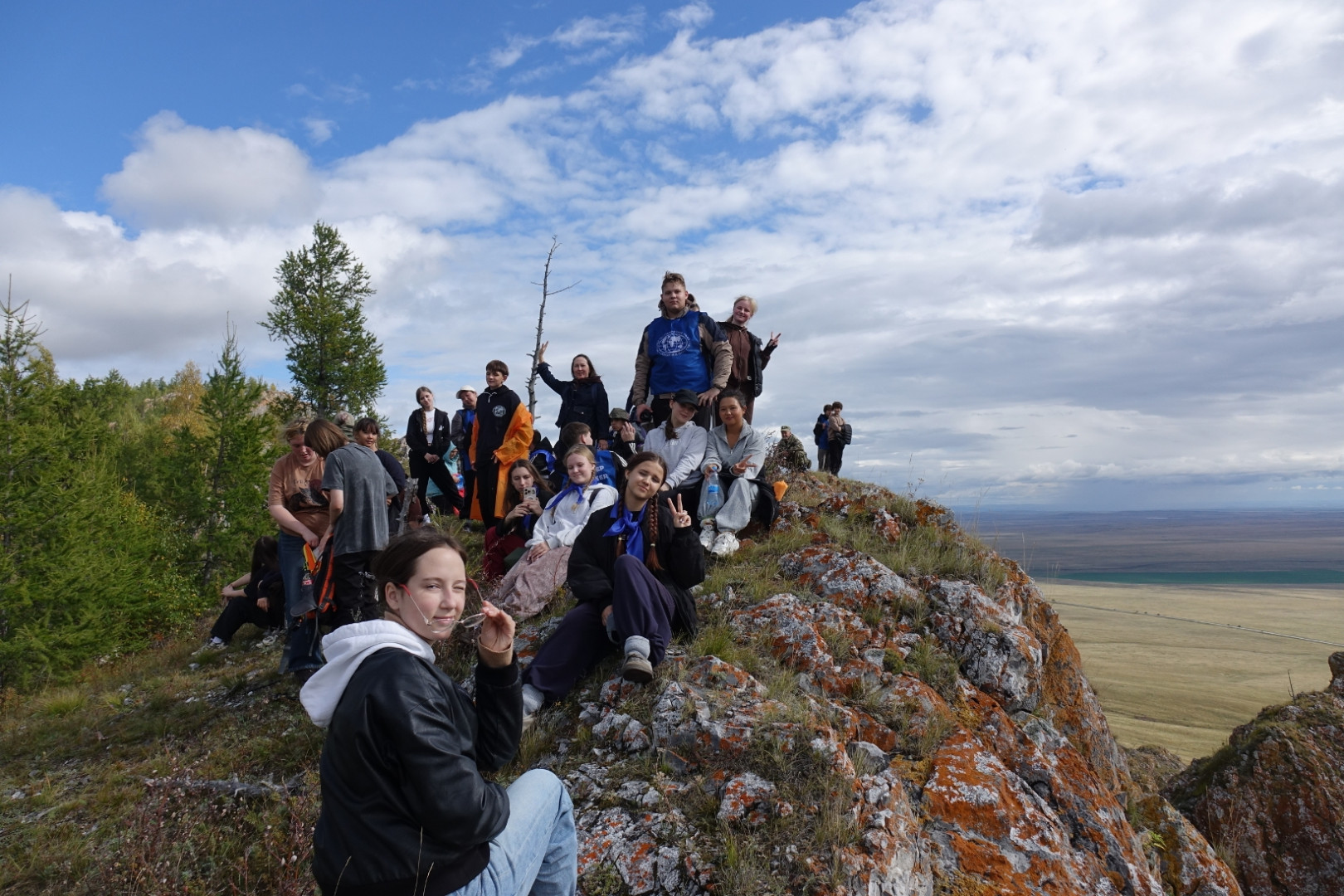
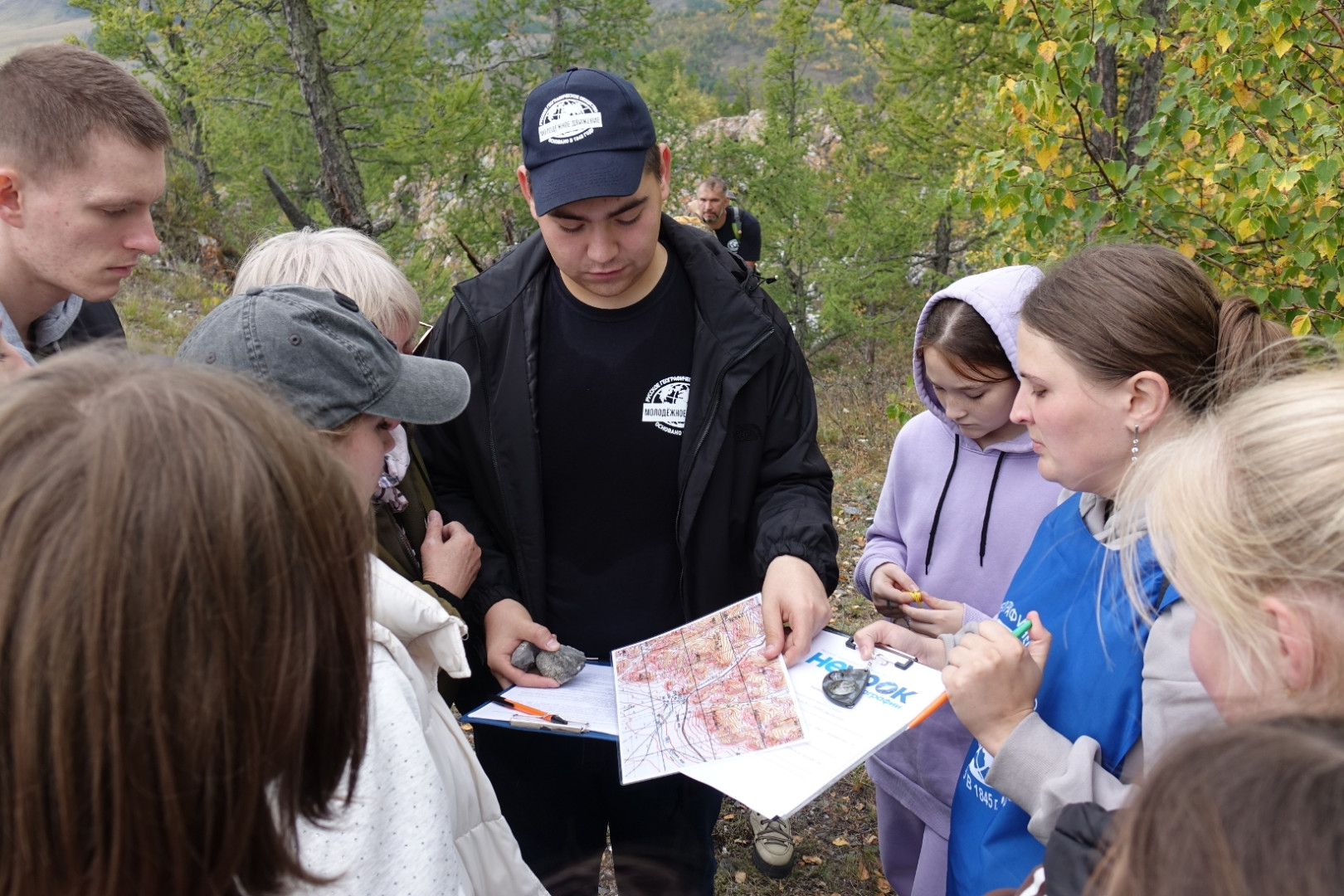
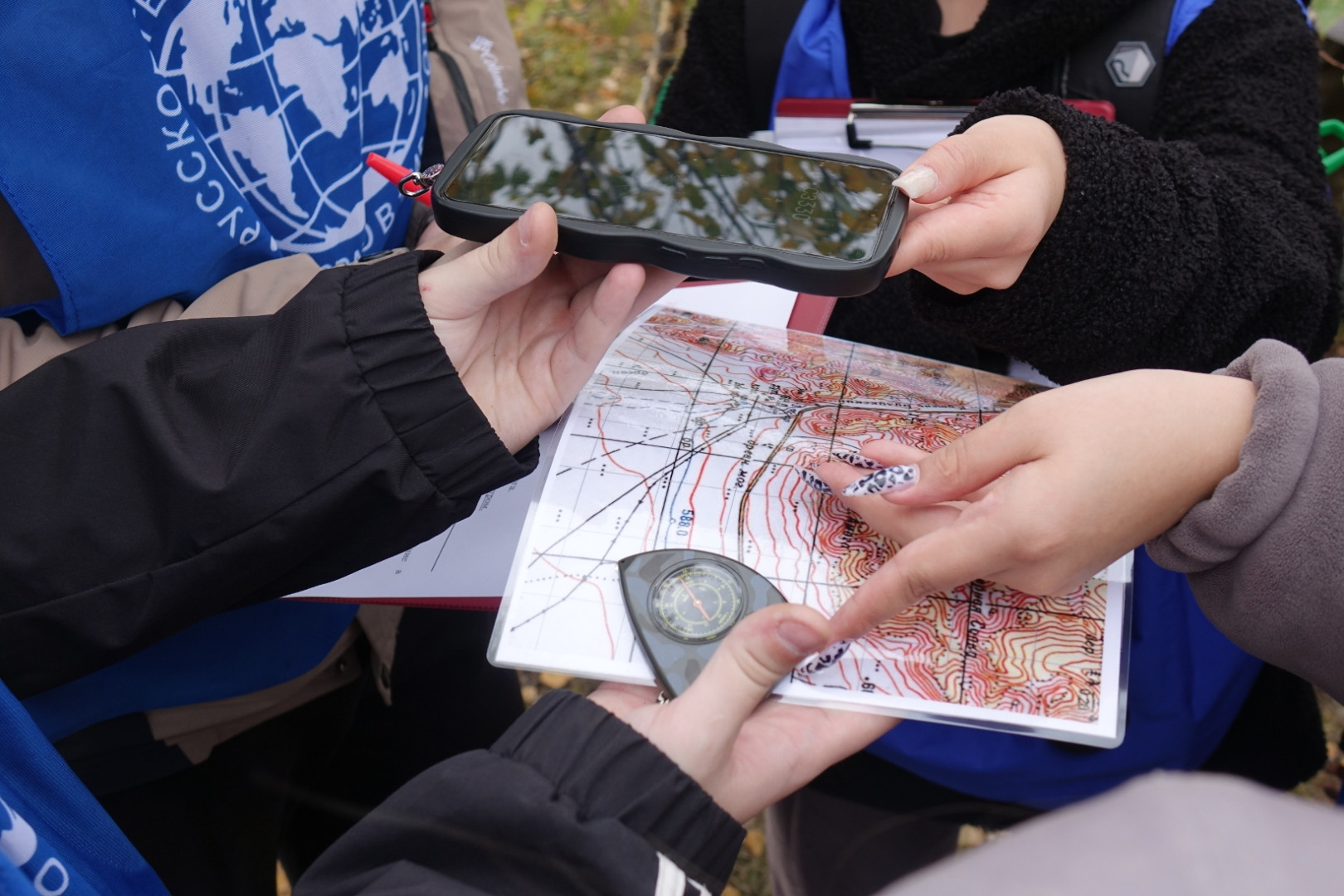
«It was an incredibly eventful day. We were practically pulled out of our usual learning process and immersed in conditions where we had to move independently, push ourselves, and study nature not from a book, but in reality,» Kira Kulishkina, a schoolgirl from Abakan, shared her emotions. «As we moved along, many questions arose. How did this landscape form? What contributed to it? Why does this particular flower grow here? How many years did it take to create this natural beauty? It was great that we had experts and teachers with us who helped us find answers to our questions.»
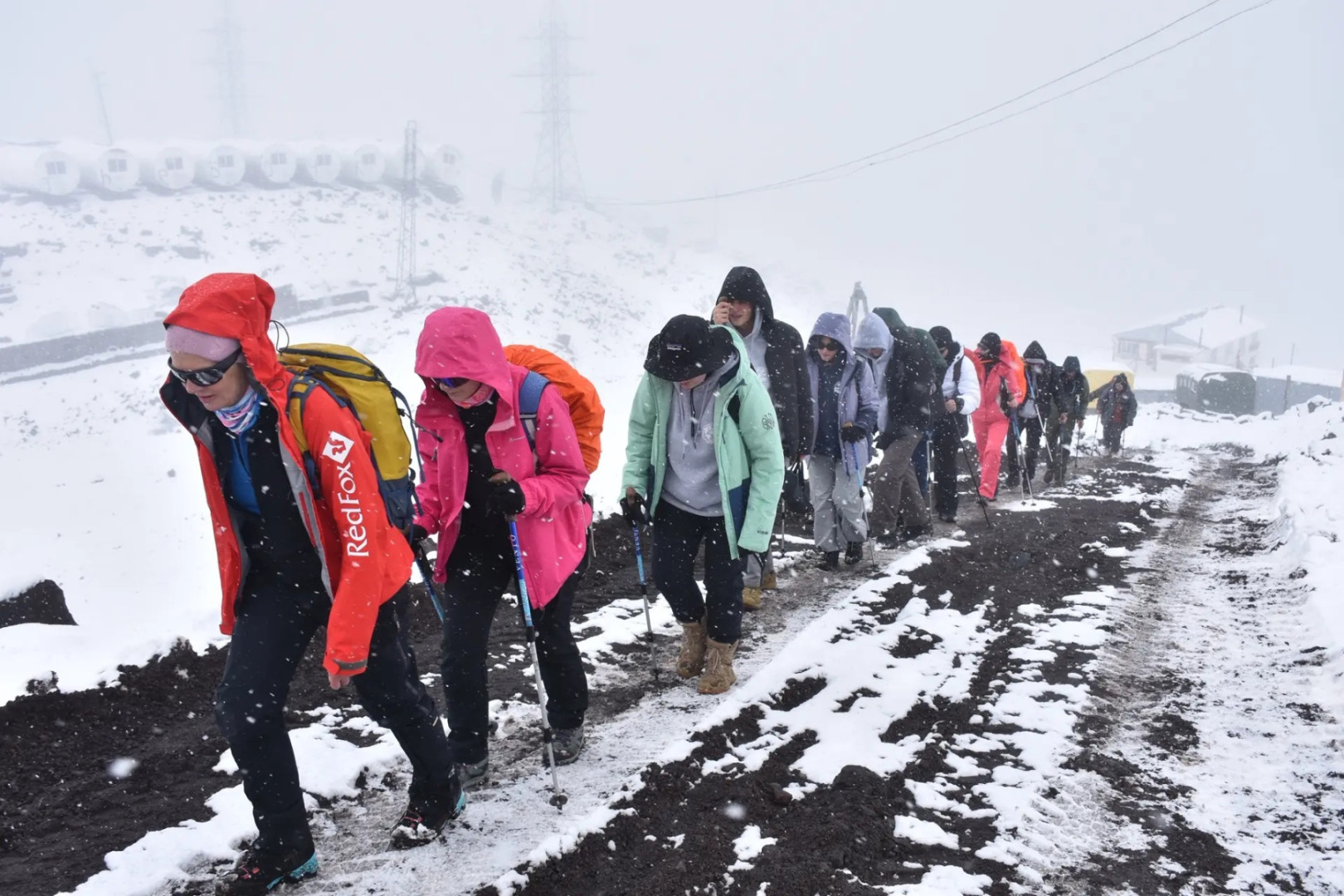
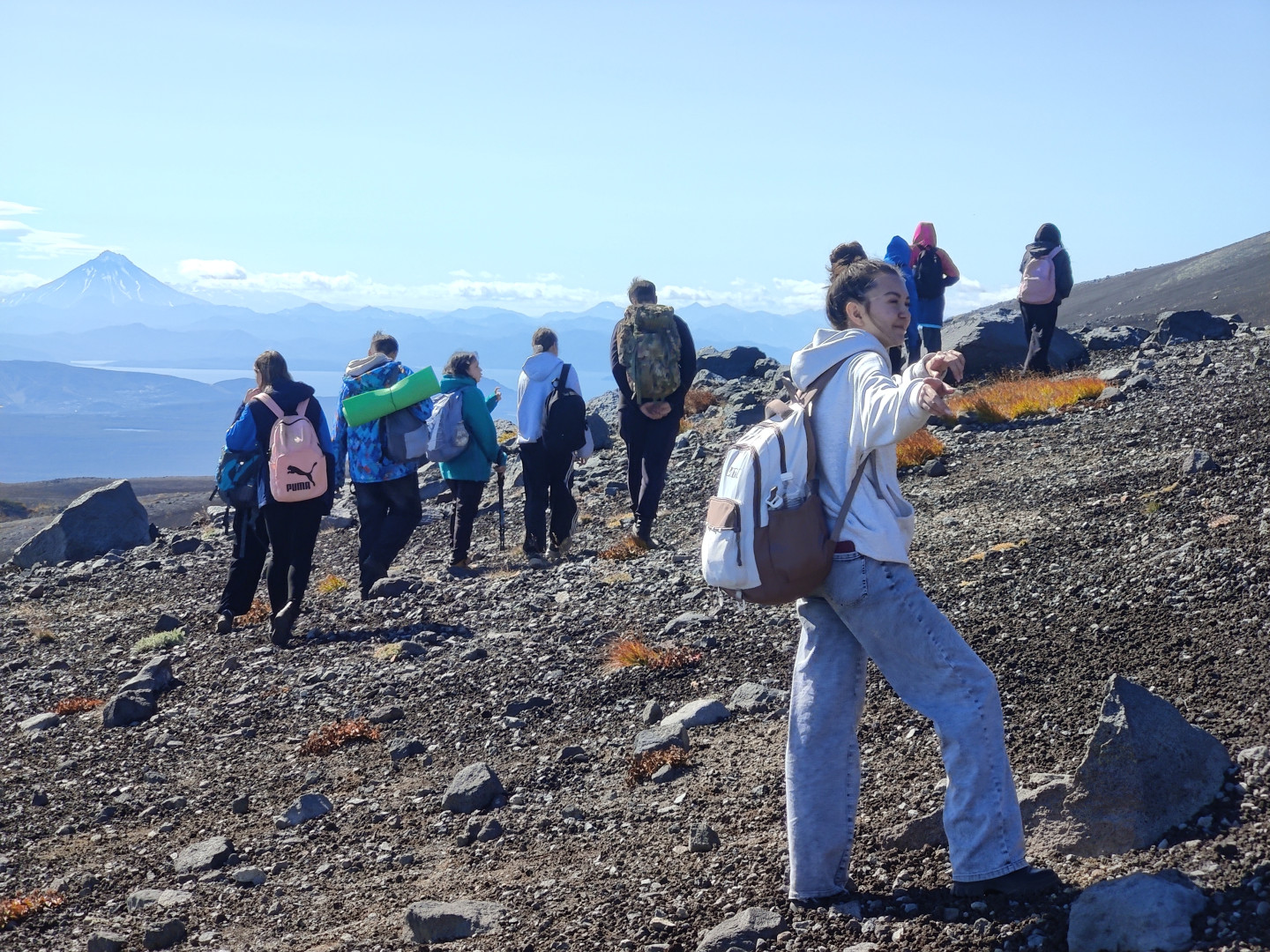
The highest «Not-Lesson» took place on Mount Elbrus. The participants climbed the southern slope to an altitude of about 1,800 meters, and the day before they had paid tribute to the heroes of the Great Patriotic War at the memorial in Terskol. In the Kaliningrad Region, the participants studied the history of the Earth by examining the layers of a sea cliff in Filinskaya Bay — the project participants saw glacial deposits and «blue earth» with amber. In the Ulyanovsk Region, the «Not-Lesson» took place on the water during a rafting trip along the Bolshoy Cheremshan River. In Kamchatka, the event participants tried their hand at being artists from 19th century expeditions — they sketched sculptures of Koryak symbols against the backdrop of the local landscape.
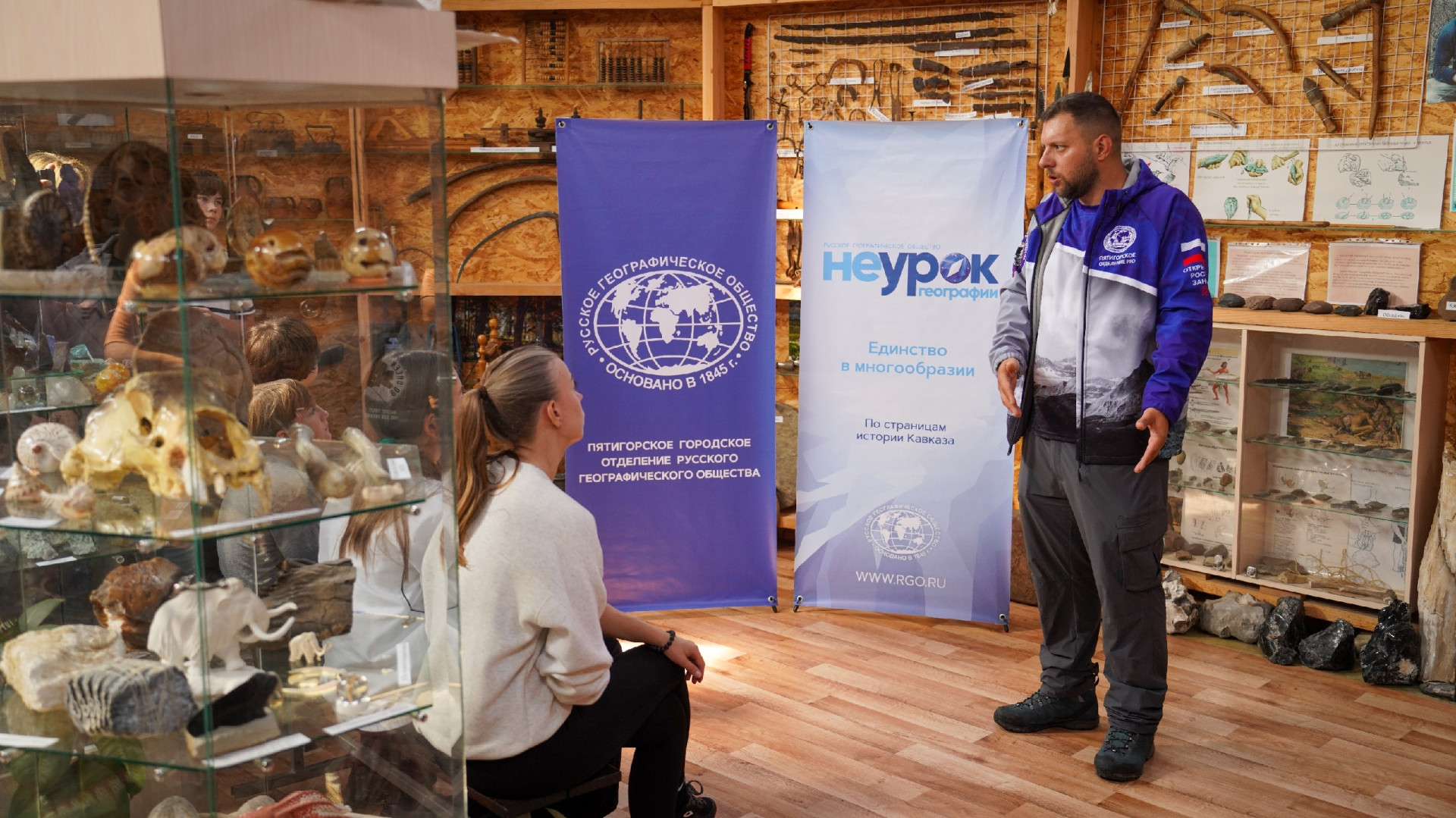
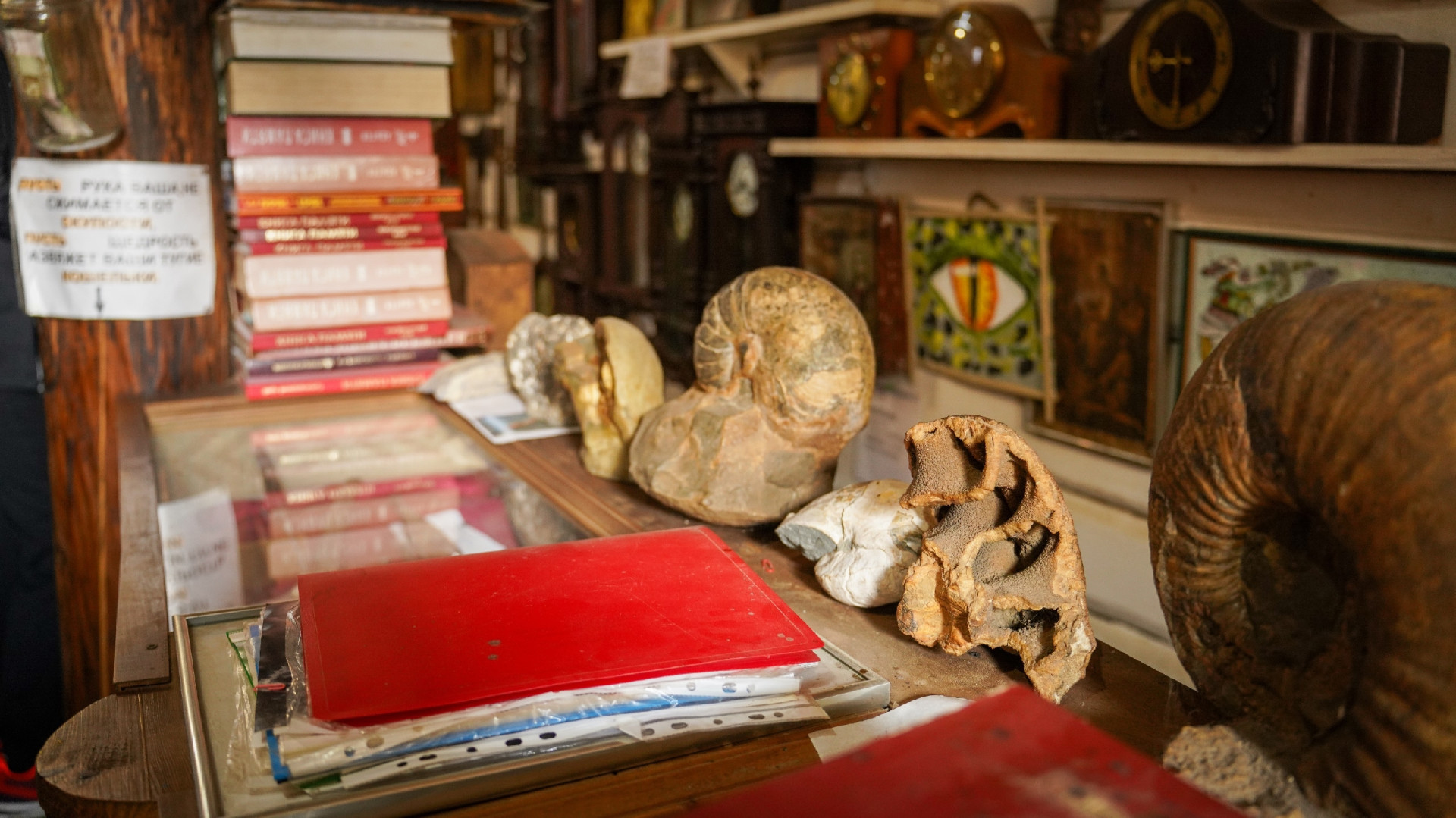
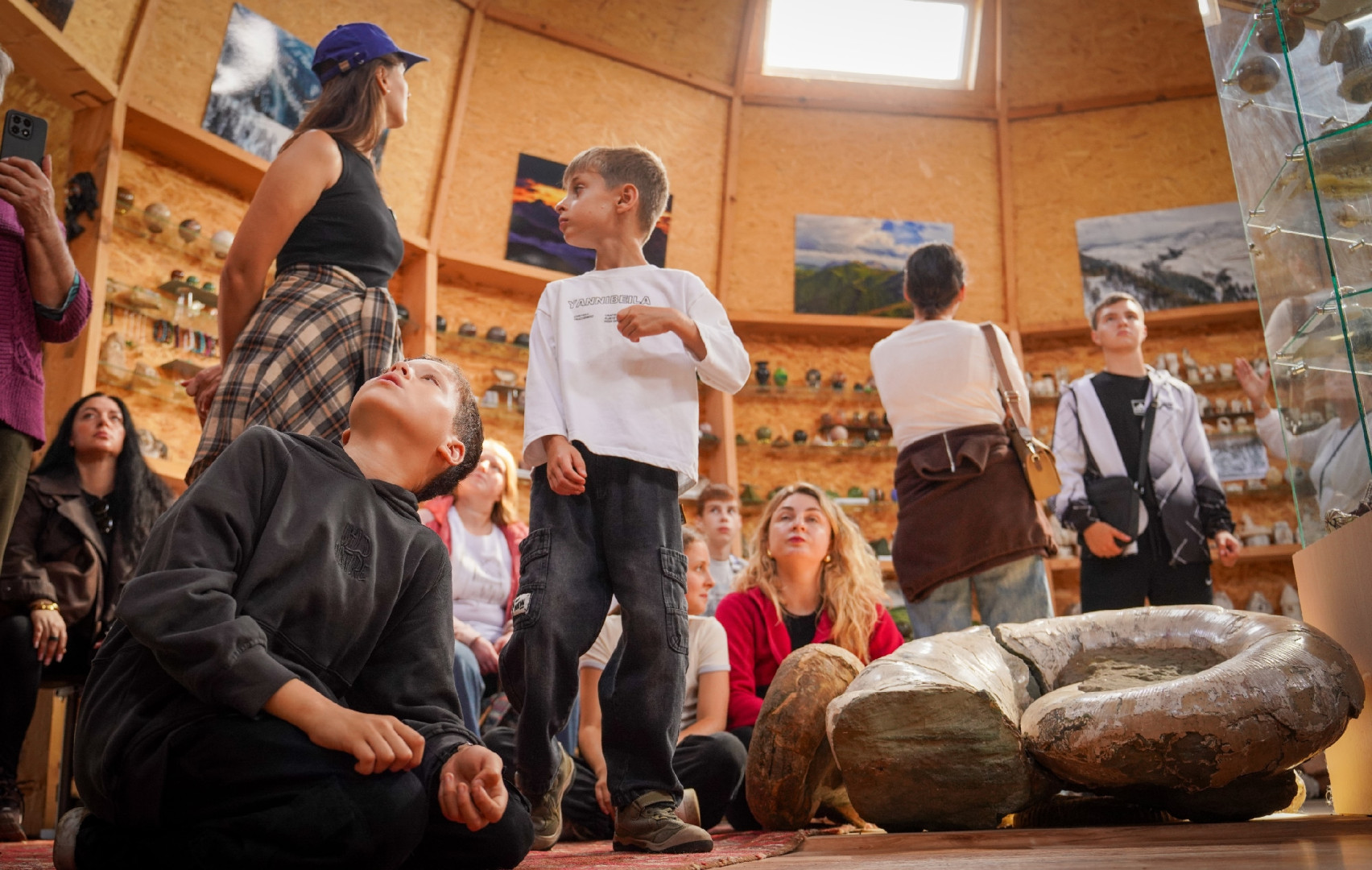
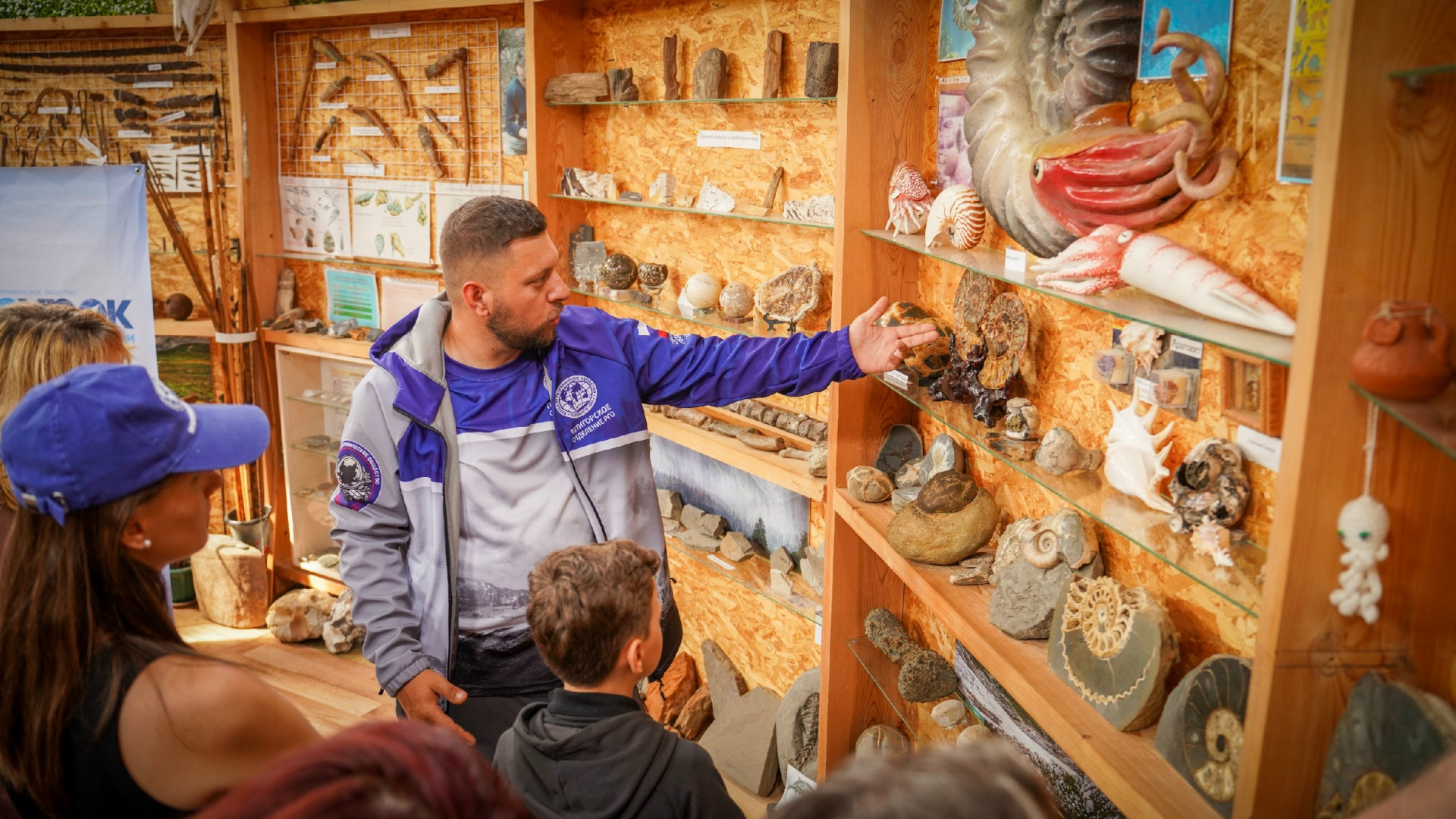
The museum venues created a special atmosphere. In Torzhok, the project participants, together with archaeologists, examined birch-bark documents and learned about the life of medieval Rus’. In the Stavropol Territory, on the territory of the Tatar settlement, the largest archaeological site in the Ciscaucasia, during the «Call of the Ancestors» excursion, they studied ancient fossils and sought to find out why different peoples had chosen this territory for living over the course of millennia.
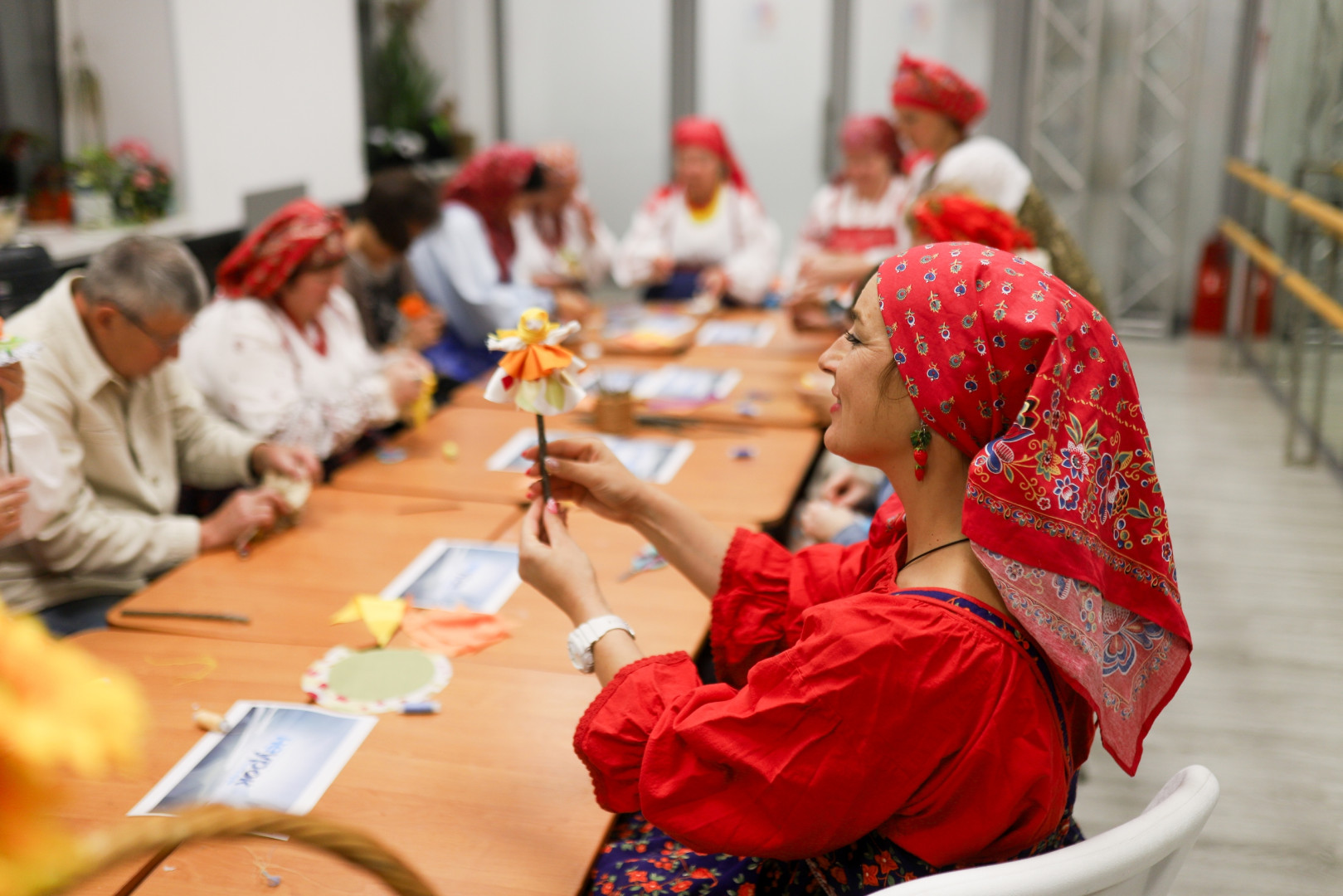
In the Moscow Region, the folk choir «AkulinA» held a musical «Not-Lesson» with round dances and songs. In Sergiev Posad, at the «Troitskie Bliny» museum, they talked about the symbolism of bliny in the traditions of different peoples, and at Almenevskaya School, during the master class «Tea Map of Russia, ” they got acquainted with tea traditions. In St. Petersburg, schoolchildren studied the images of Father Frosts from Chukotka to the Caucasus and thus became acquainted with the folklore and customs of the peoples of Russia.
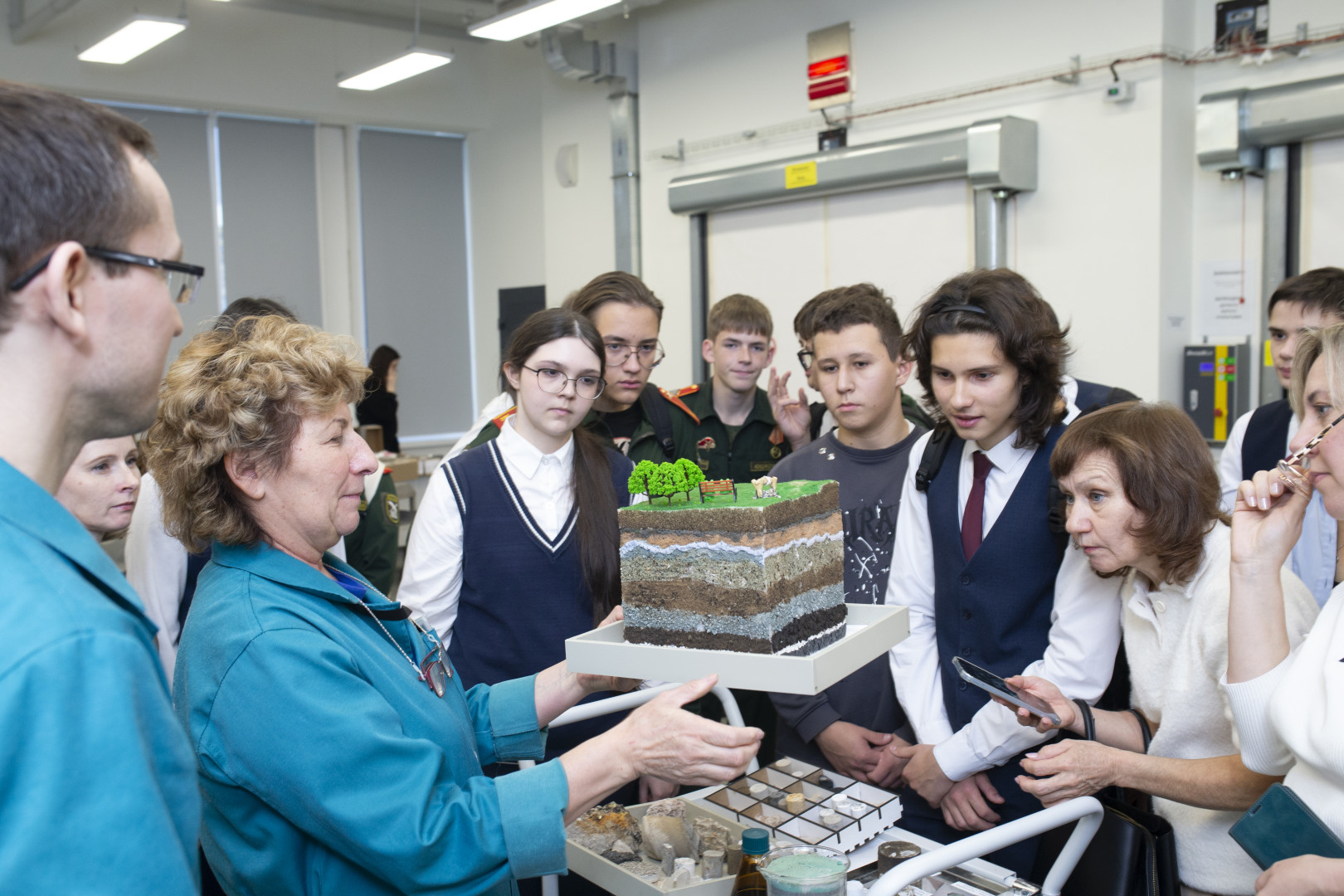
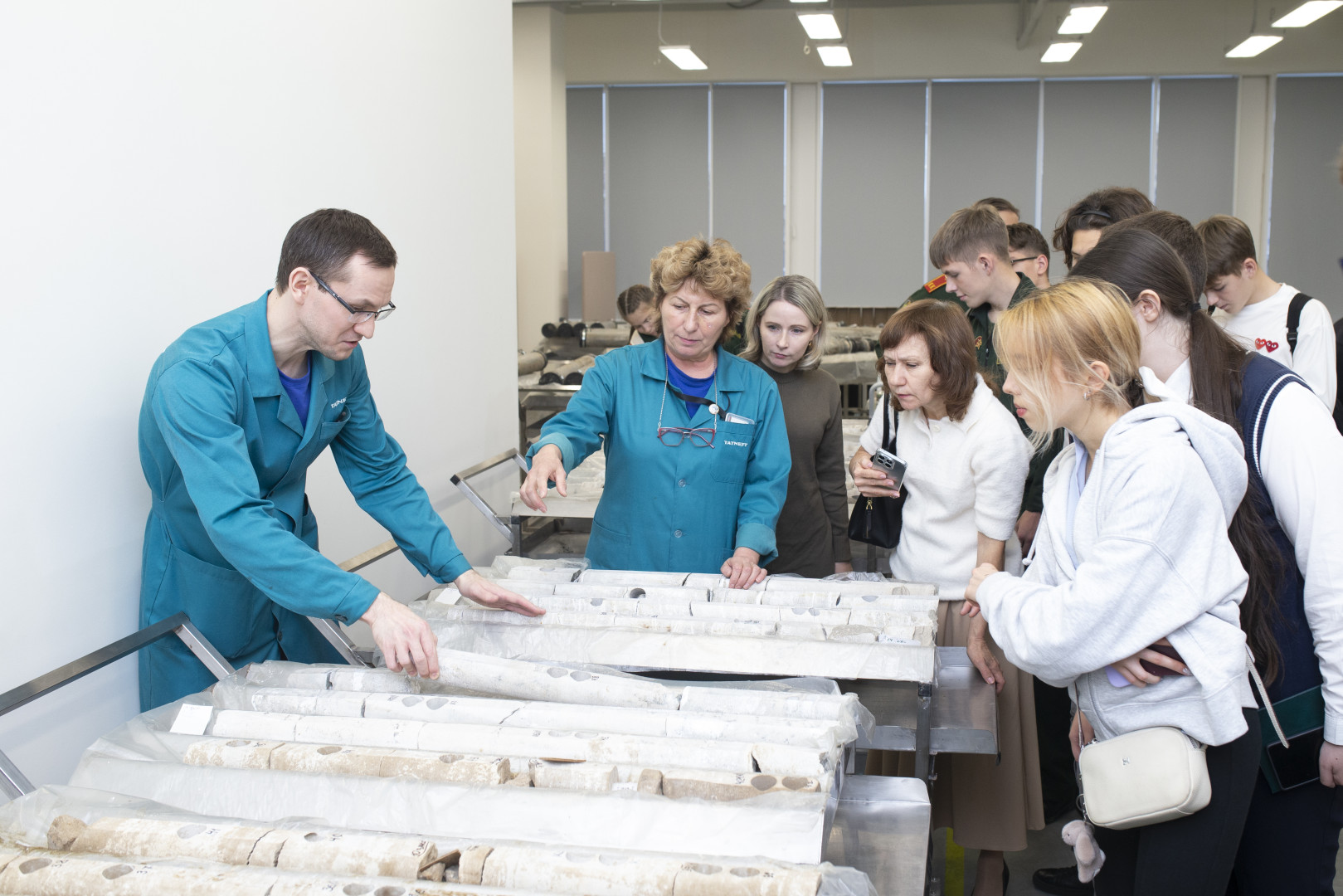
In Tatarstan, schoolchildren visited the Higher Oil School in Almetyevsk — using chromatographs and spectrometers, they traced the path of oil from the subsoil to the laboratory. In the Republic of Altai, at the visit center of the Katun Nature Reserve, guests discussed an eco-friendly lifestyle and got acquainted with the children’s project «Eco-Bag: A Step Towards a Clean Planet».
Yana Fedosova, Head of the Youth Work Department at the RGS, noted that unusual formats of «Geography Not-Lessons» helped to study the subject in a multifaceted way: to travel, to explore nature, to get acquainted with the history and culture of Russia not from a textbook, but in practice.
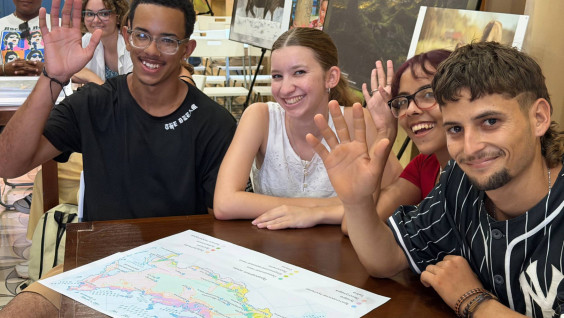
Meanwhile, the «Geography Not-Lesson» has also expanded beyond Russia — venues have appeared in seven countries: Belarus, Egypt, Spain, Lebanon, Moldova, Tajikistan, and Cuba. It was held for the first time in the Cuban capital, Havana. The lesson took place at the Quinta de los Molinos botanical garden and at the school attached to the Russian embassy. Here, students from the University of Havana, Russian schoolchildren, university graduates, and compatriots got acquainted with Russia’s natural zones and peoples through games. In the capital of Egypt, an interactive quest about the regions of Russia, their nature, attractions, and traditions was organized. And in Belarus, a teleconference was held dedicated to the diversity of peoples.
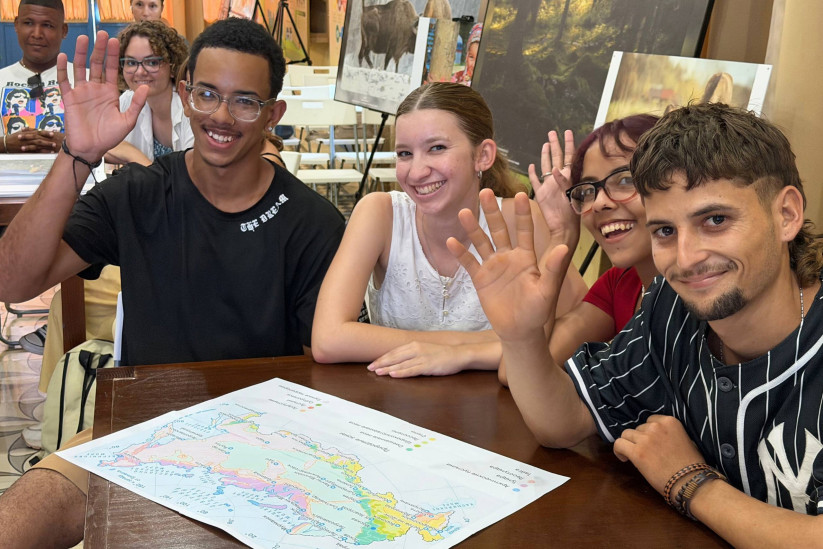
“Geography Not-Lesson” in Havana. Photo: Maria Hunke-Pestova