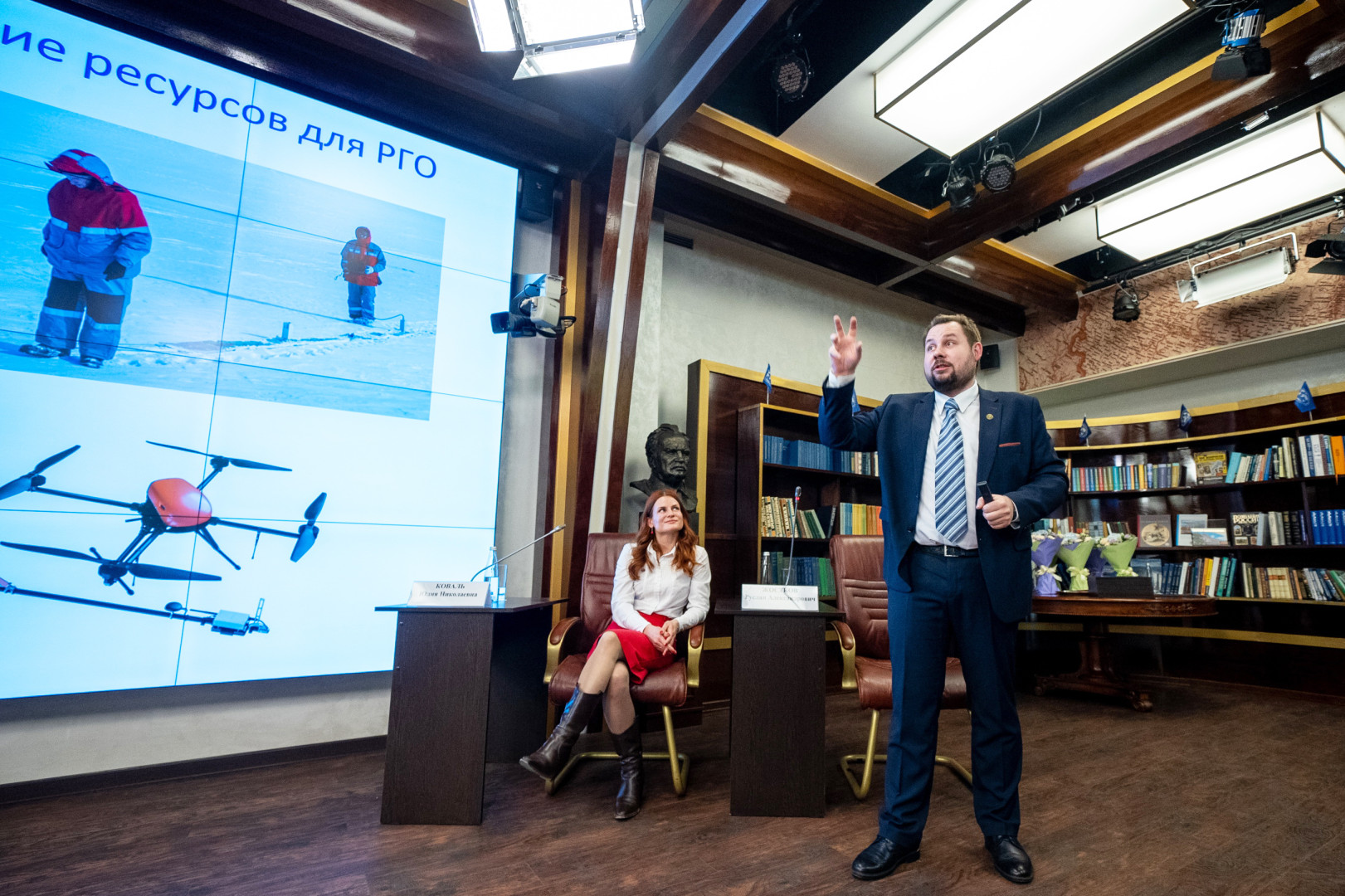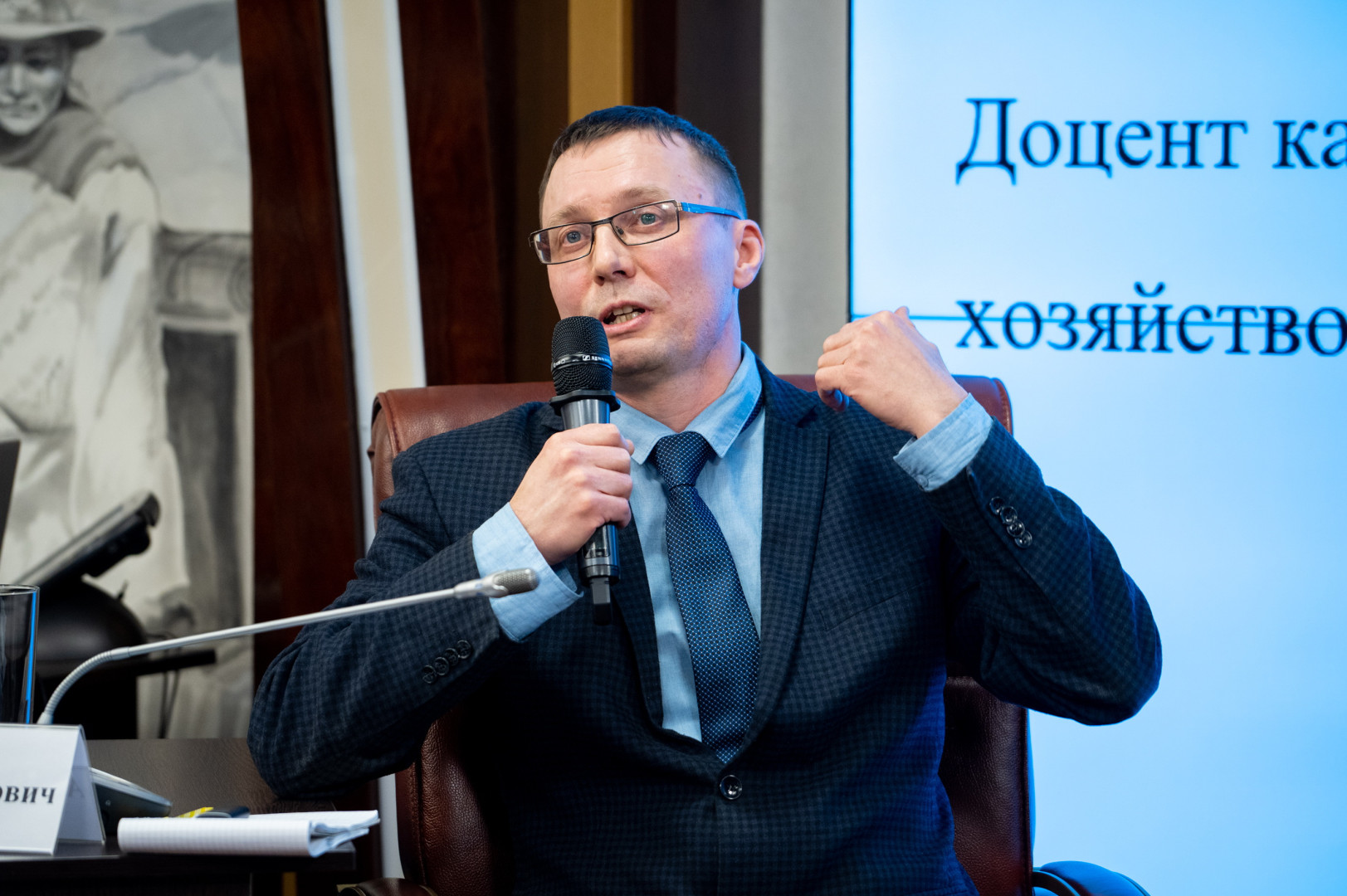
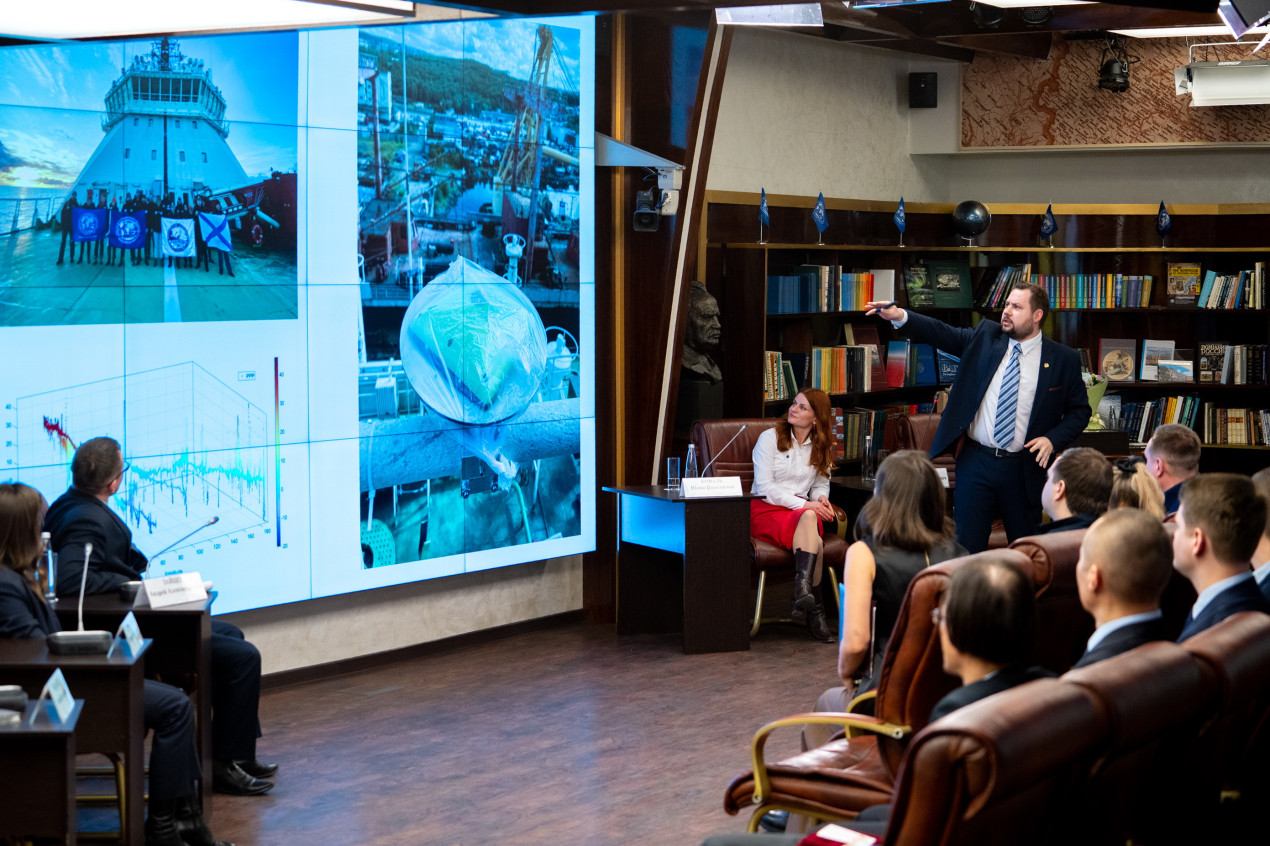
Ruslan Zhostkov, a leading researcher at the Schmidt Institute of Physics of the Earth of the Russian Academy of Sciences. Photo: Vladimir Neskoromny / RGS press service
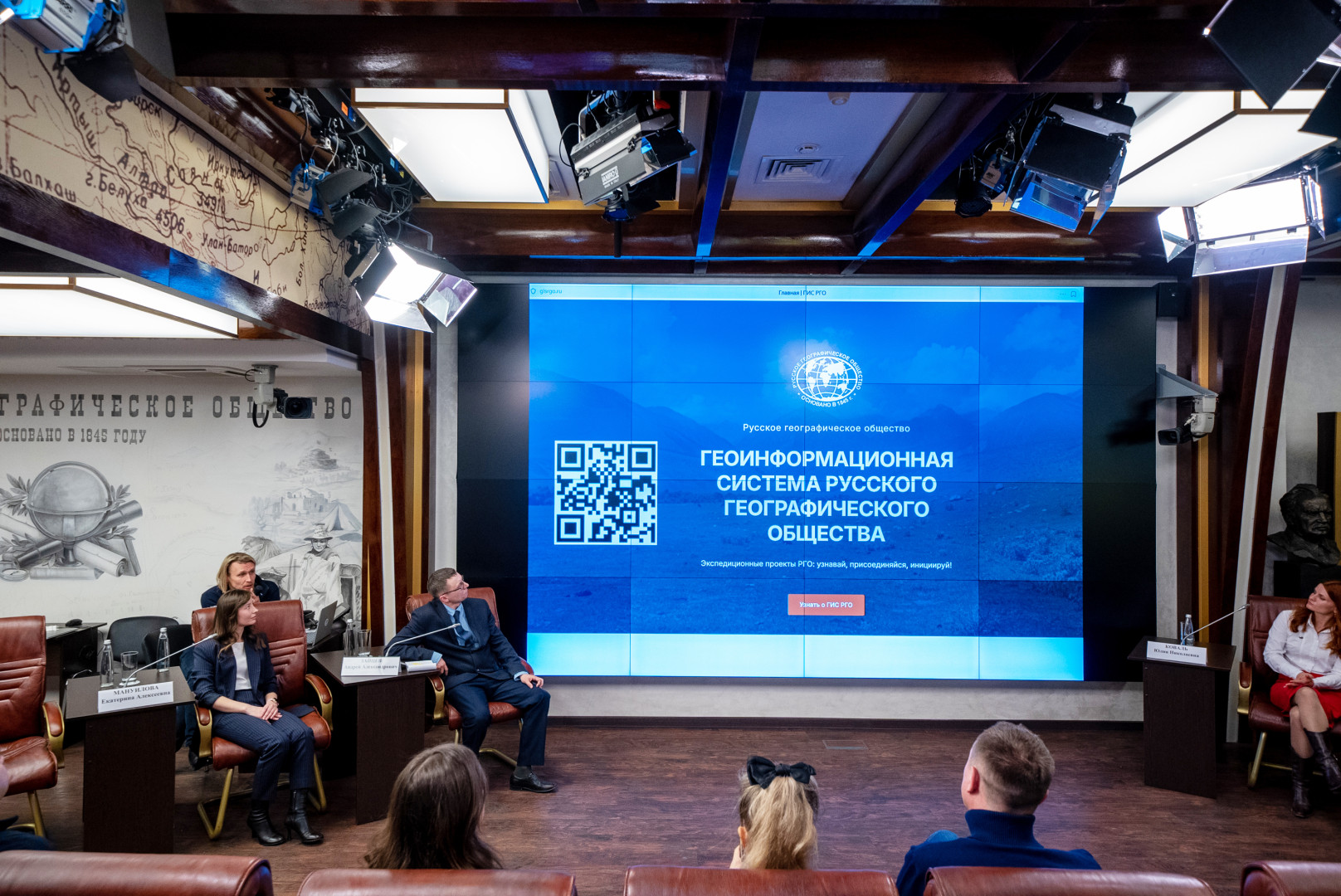
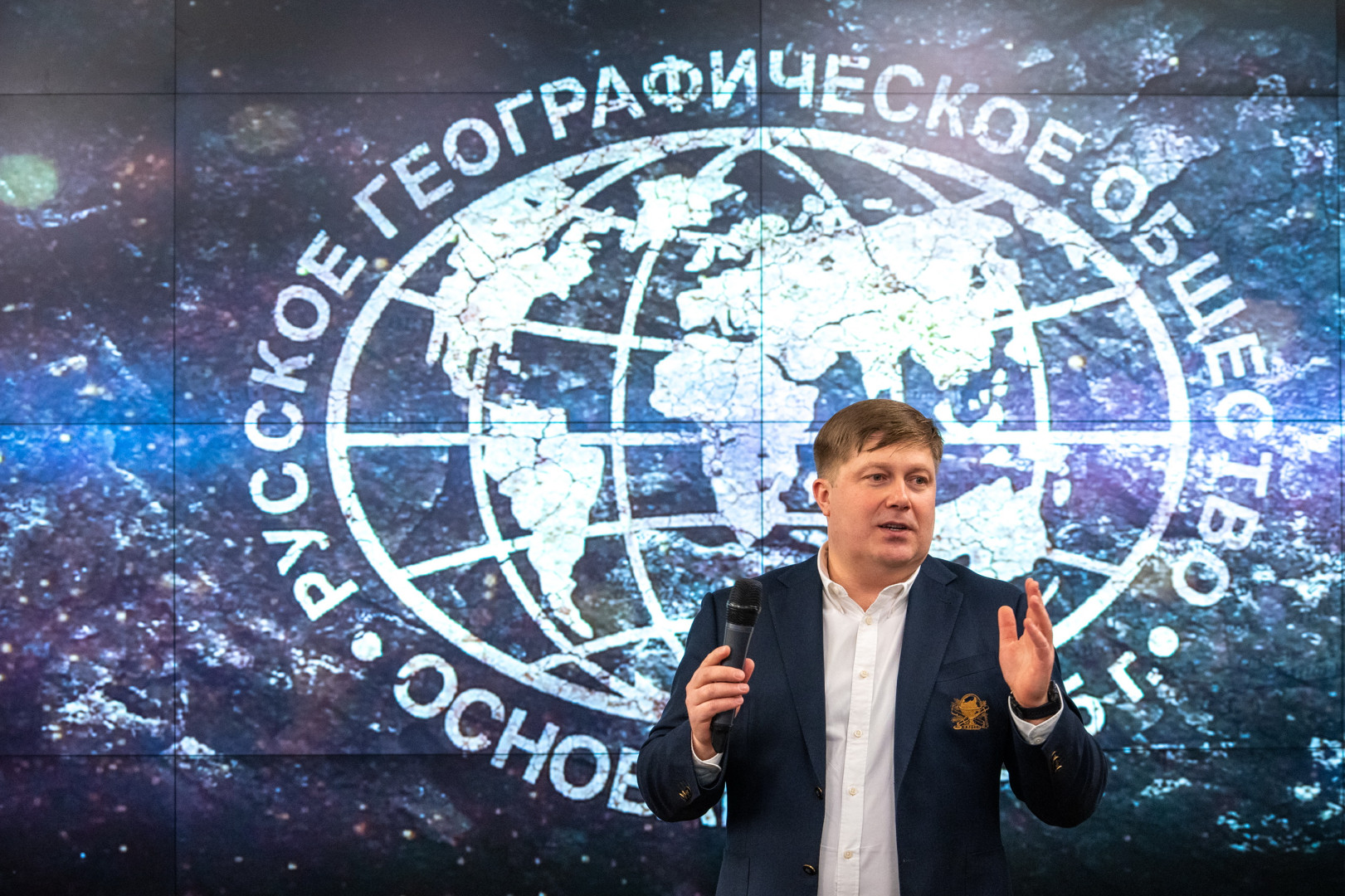
On March 17, at the Moscow Headquarters of the RGS, 24 scientists, search specialists, and volunteers joined the association, which was created to solve strategic tasks in expeditions throughout Russia: conducting scientific research, testing innovative equipment, and cleaning territories.
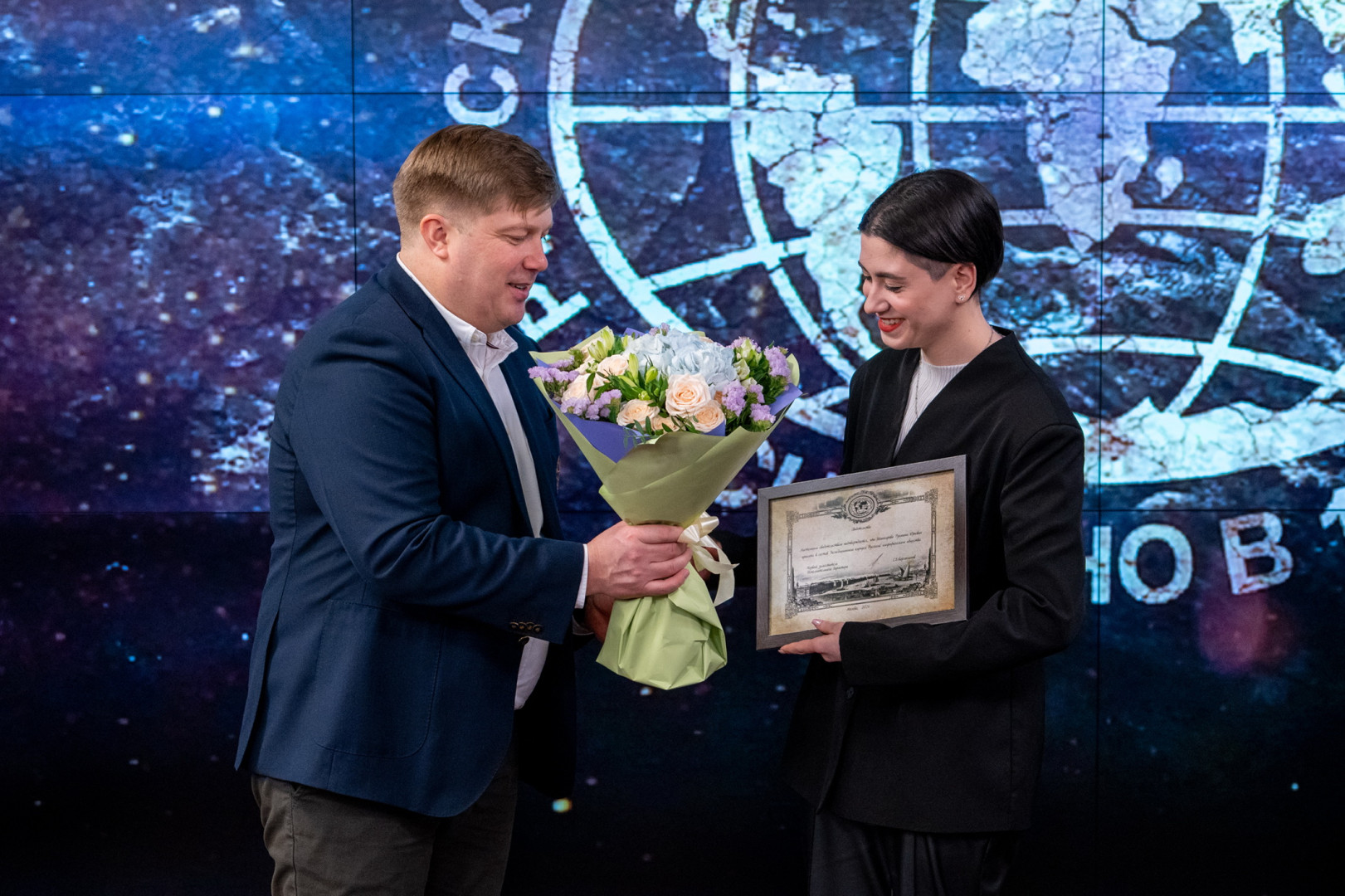
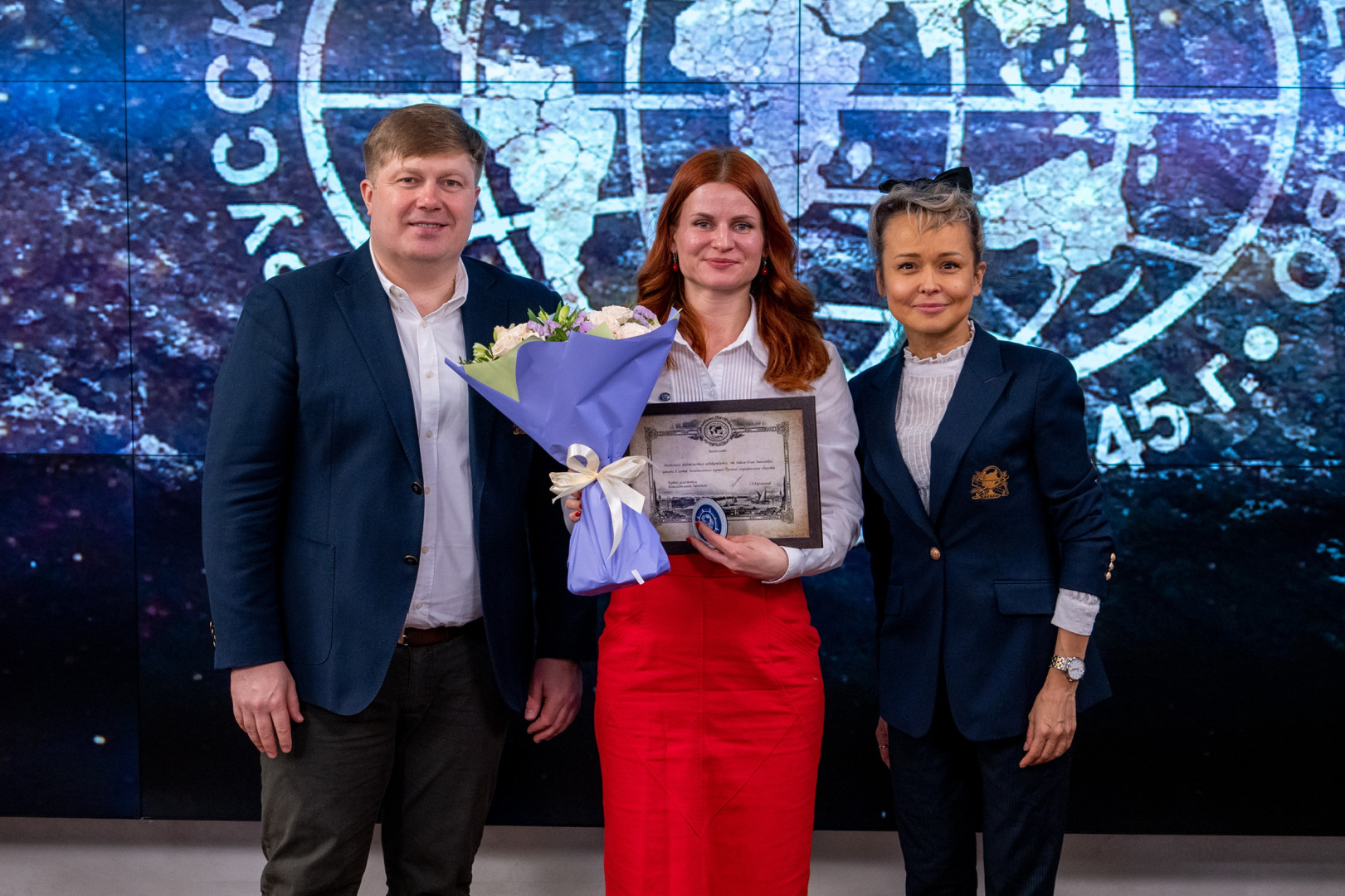
During the event, scientists from various fields, such as environmentalists, historians, geophysicists, as well as representatives of the search movement, received the first certificates of enrollment in the Expeditionary Corps. The researchers also presented the results of last year’s fieldwork — in 2025, the RGS conducted 17 federal expeditions in the Arctic, Siberia, Transbaikalia, and Central Asia. More than 20 organizations, including institutes of the Russian Academy of Sciences, acted as scientific partners of the projects. In 2025, the average competition for participation in the RGS expeditions reached seven people per place. For the first time, a separate competition for applications from research teams was held.
«Over the past five years, more than 2,000 scientists, searchers, and volunteers have participated in the RGS expeditions, which have been engaged in cleaning up Arctic territories and comprehensive scientific research,» said Sergei Korlykhanov, First Deputy Executive Director of the RGS. «Last year, we created the Expeditionary Corps as a human resource asset, which is prioritized in fulfilling the strategic tasks set for the RGS by the country’s leadership. The members of the association have the opportunity to explore remote territories of Russia, test their designs, participate in conferences and private meetings under the auspices of the Russian Geographical Society.»
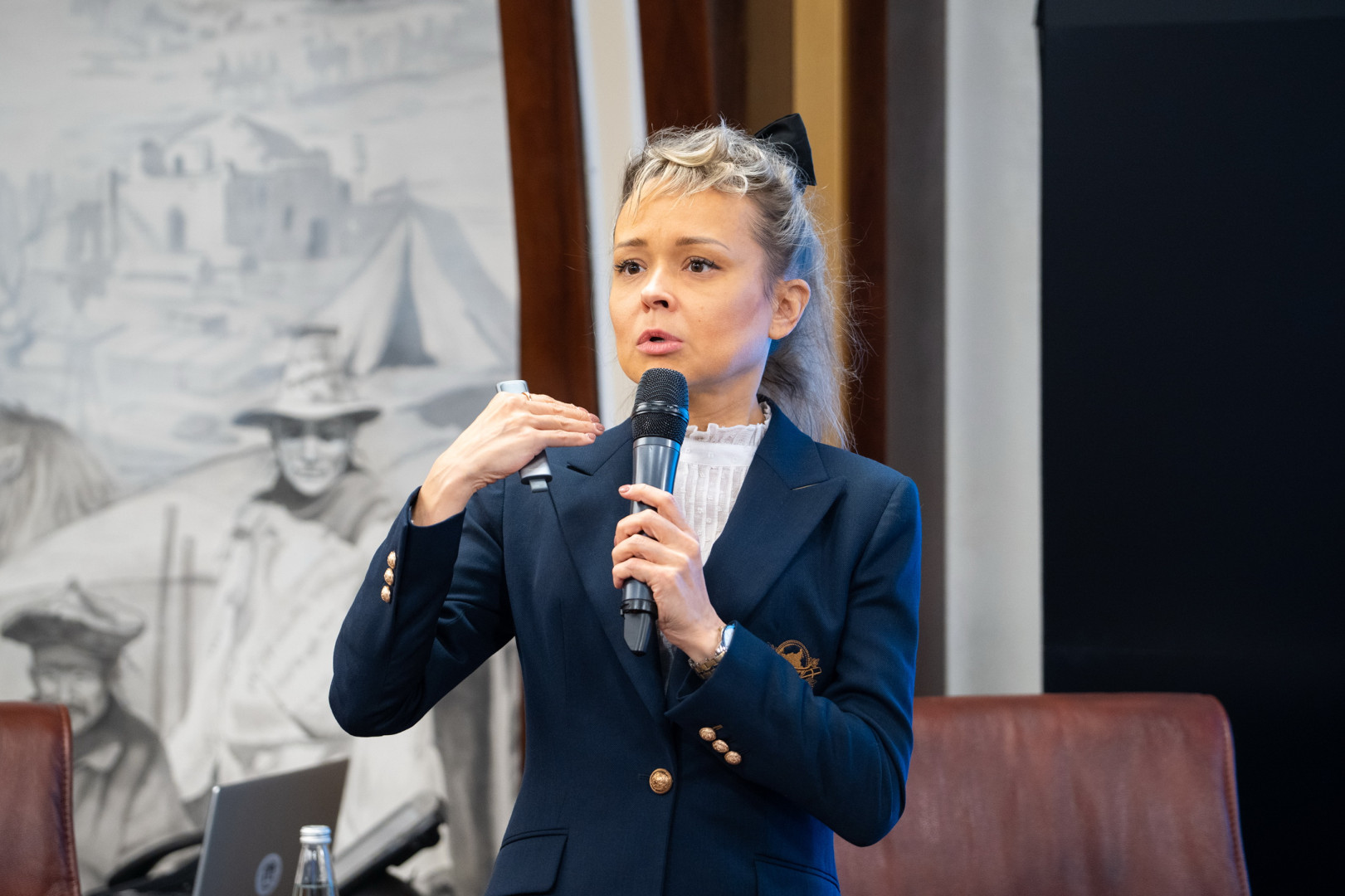
The research results of the members of the Expeditionary Corps are already being applied in practice. For example, Yulia Koval from the Siberian Fire and Rescue Academy of the Ministry of Emergency Situations spoke about testing a polymer sorbent during an expedition along the Baikal-Amur Mainline (BAM) and in the rural settlement of Khatanga. This is an innovative way to eliminate oil spills, which will help reduce the cost of cleaning up areas from pollution. Andrey Zaitsev, Associate Professor at the Russian University of Transport, presented the results of research on sections of the future Northern Latitudinal Railway, which allow railway workers to assess the current condition and predict the behavior of the roadbed and artificial structures. The data obtained helps to prevent infrastructure failures related to subsidence and deformation of the Earth’s crust. The scientist added that the new projects will create a scientific basis for making decisions on the construction of railways, taking into account the most difficult engineering and geological conditions in Siberia and the Far East. Ruslan Zhostkov, a geophysicist from the Schmidt Institute of Physics of the Earth of the Russian Academy of Sciences, pointed out the need to study the traces of ancient earthquakes in the Arctic to assess future risks. His colleague Ekaterina Manuilova presented data on the severe destruction of rocks in the zones of active faults on the BAM. Design institutes can use this data for engineering and geological zoning when selecting routes and designing protective structures.
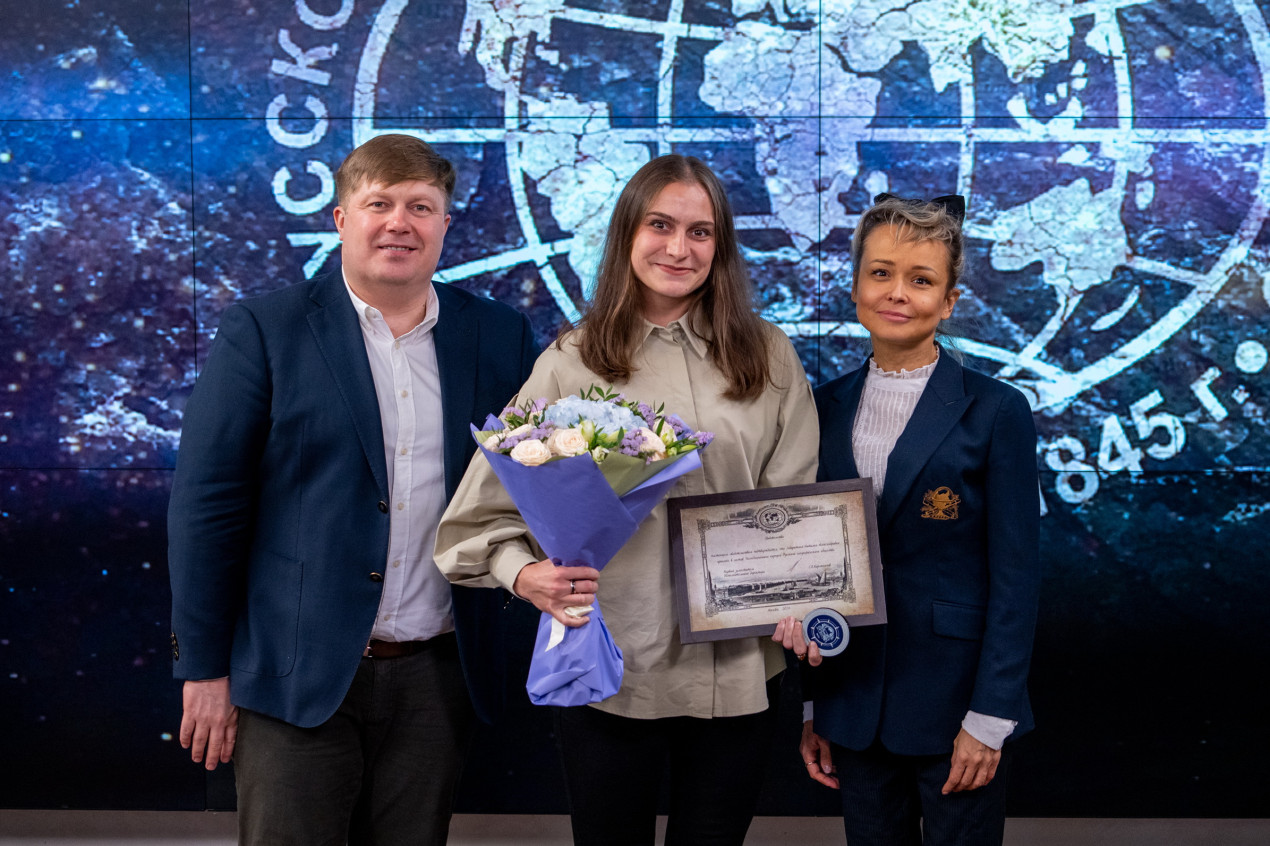
Natalia Zadorozhnaya, an employee at the Institute of Geography of the Russian Academy of Sciences, became a member of the Expeditionary Corps. Photo: Vladimir Neskoromny / RGS press service
«Anyone can join the Expeditionary Corps,» said Natalya Belyakova, Director of the Expeditionary Activities and Research Department. «To do this, you need to take part in at least two expeditions of the RGS, having received a positive recommendation from the supervisor. After that, you need to fill out an application on the website of the Russian Geographical Society. The commission will review candidate’s documents, and in case of a positive decision, they will be enrolled in the corps.»
Among the immediate tasks of the Expeditionary Corps of the RGS is participating in the study of the Russian Arctic, key land and waterways, projects in the returned territories and in the CIS. The composition of the corps will expand.