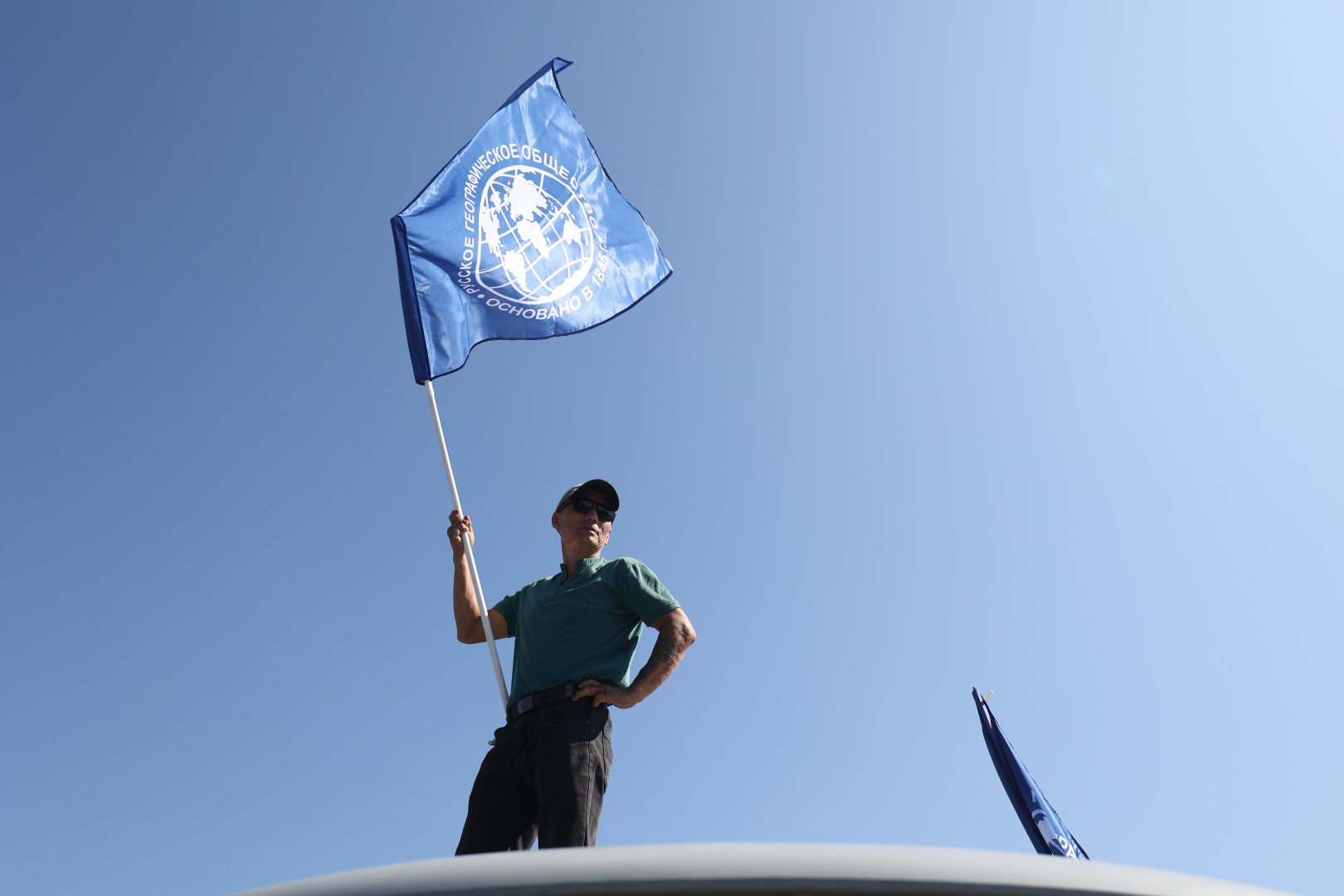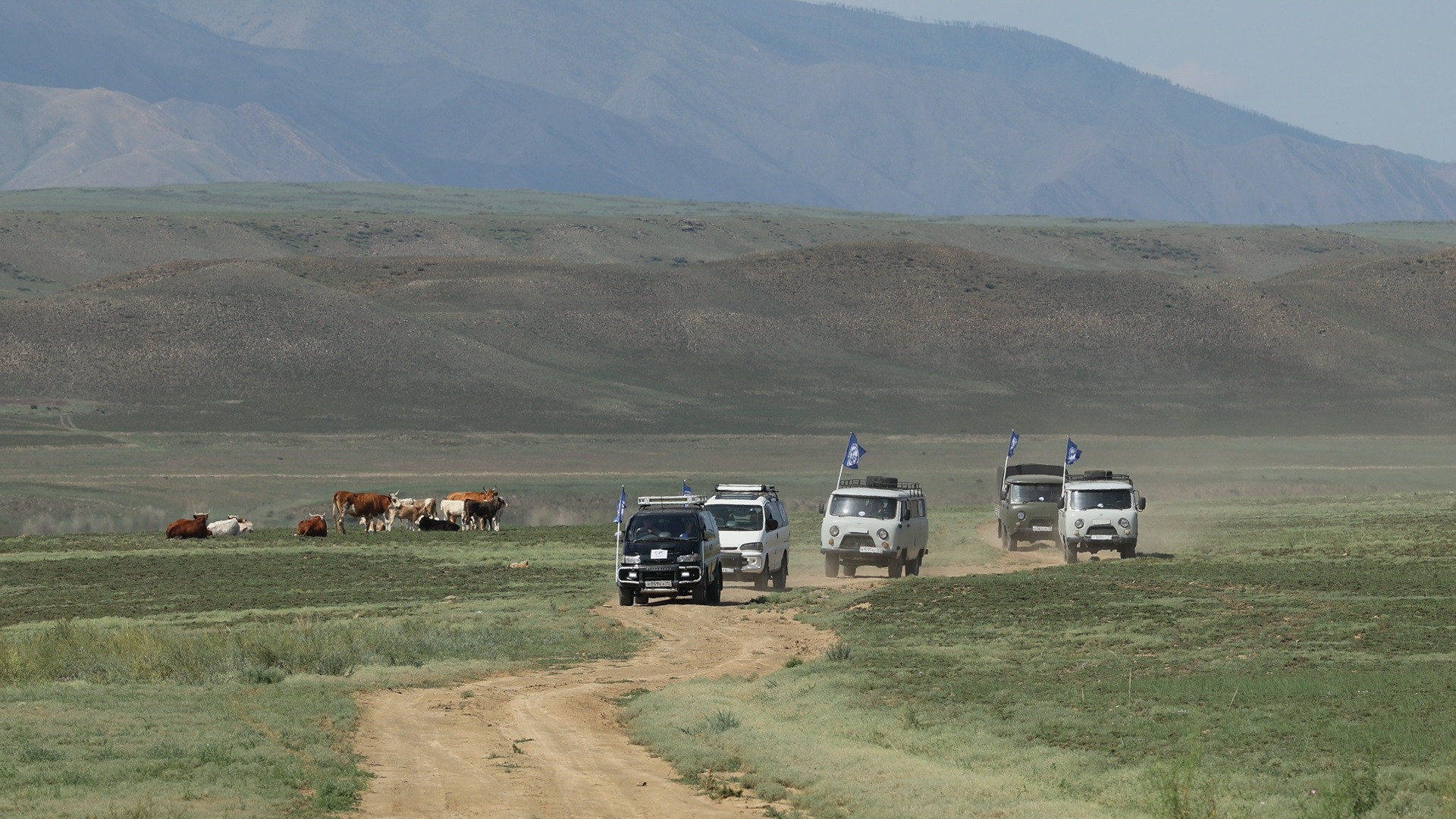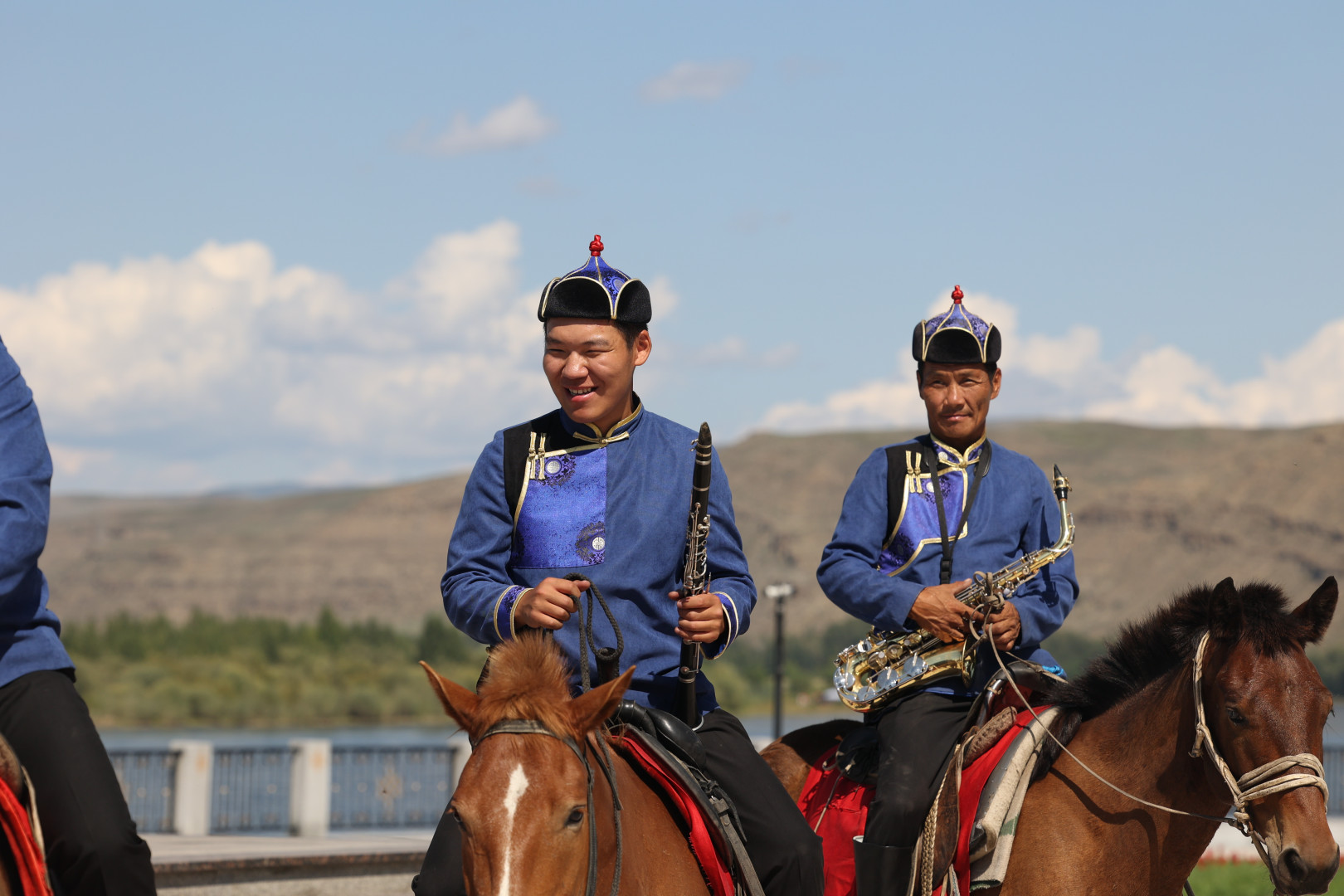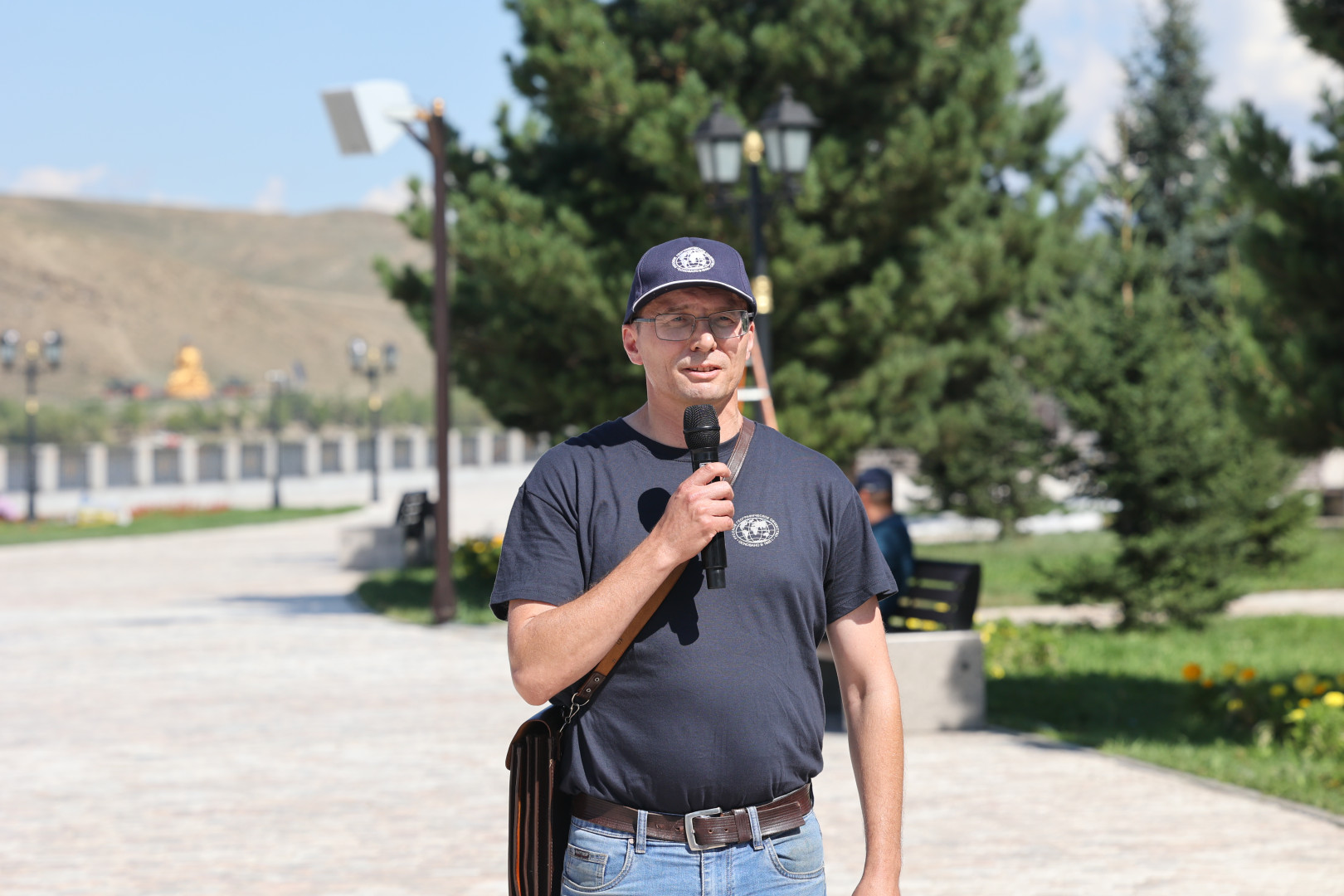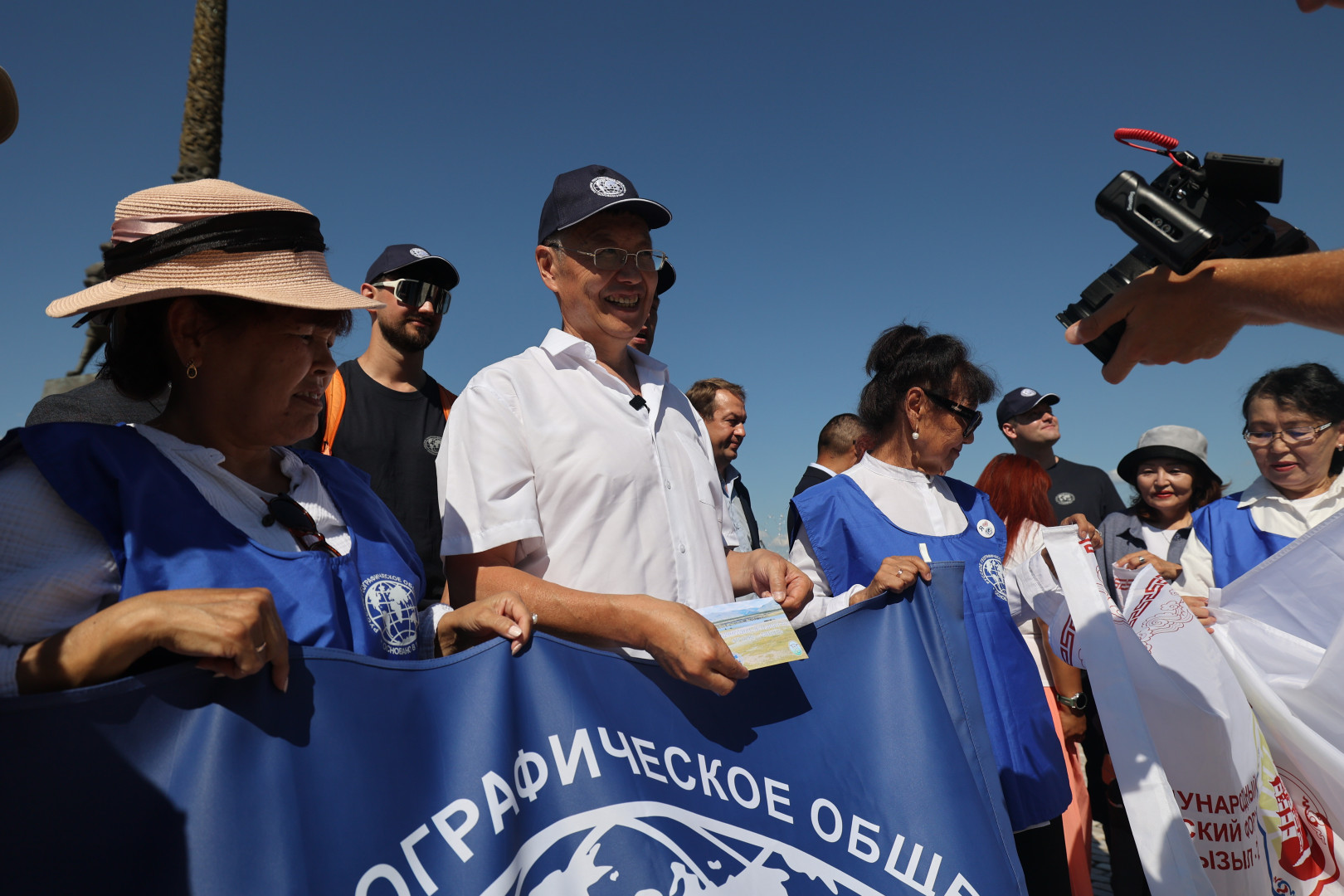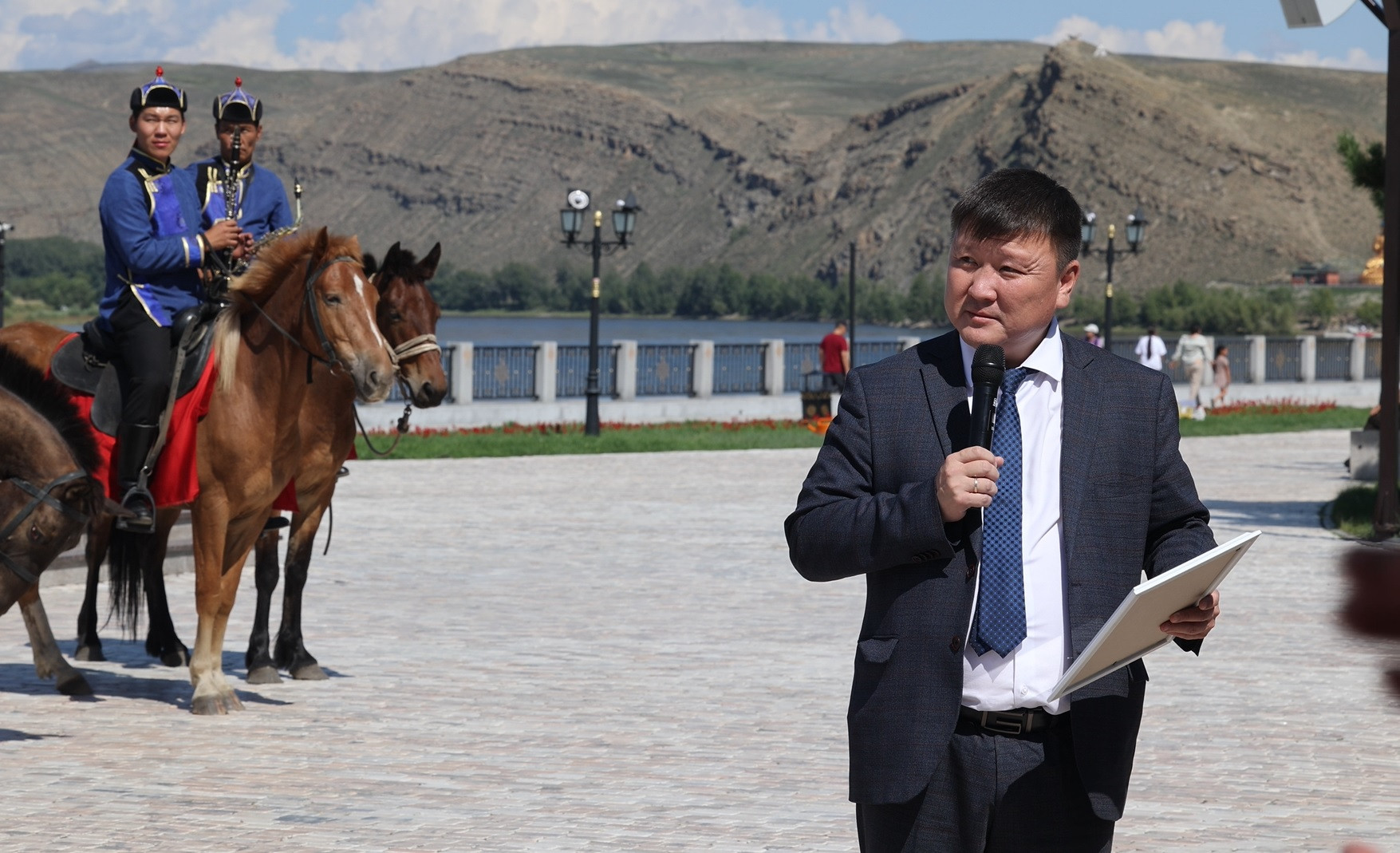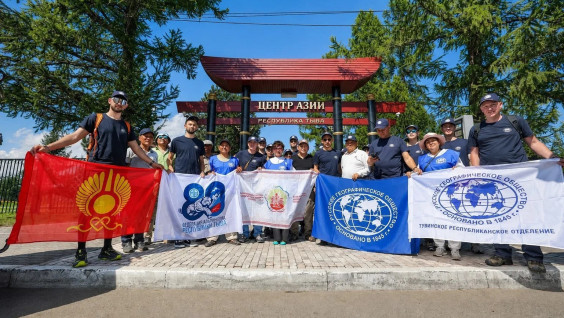
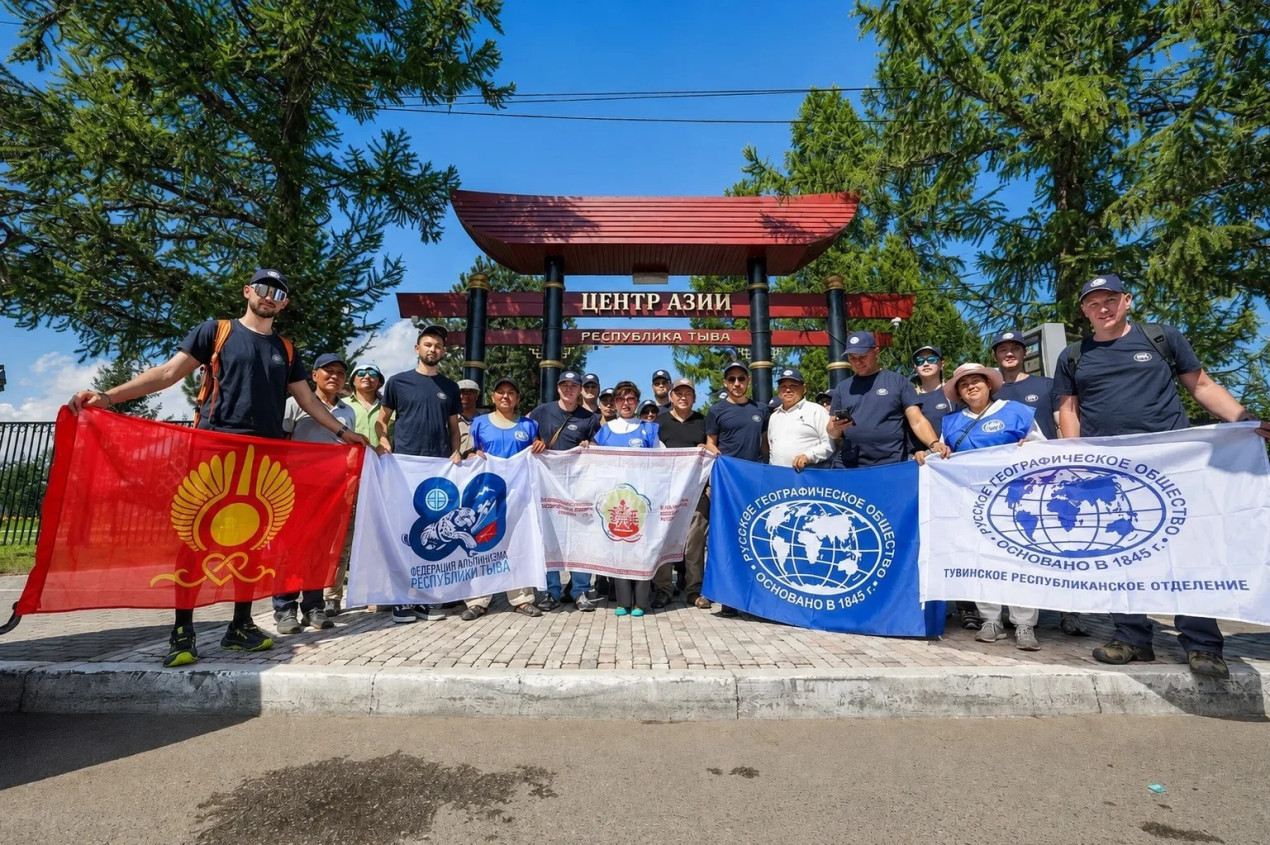
The expedition started from Kyzyl. Photo: Arigsht Saaryan
A comprehensive federal expedition of the Russian Geographical Society «Kuragino — Takeshken» has been launched in Kyzyl. The project is aimed at assessing the potential of a transport corridor that could connect Russia, Mongolia, and China. The 2026 expedition is being conducted with the support of the «Volnoe Delo» foundation, founded by the well-known entrepreneur Oleg Deripaska. The scientific team includes Russian and Mongolian scientists, as well as specialists from the Buryatia and Tuva regional branches of the RGS.
The main goal of this year’s expedition is to provide a comprehensive assessment of the conditions for constructing an alternative section of the route in the Gorny Altai (Russia) — Mongolia direction. The research will help, based on field and lab data, to answer the following questions: is it technically possible to lay transport routes, and what natural risks need to be taken into account?
«Based on the results, we will obtain a set of scientific data on the geomorphology, hydrology, seismic activity, and engineering-geological conditions of the vast transboundary region, » noted the scientific leader of the expedition, Andrey Zaitsev, associate professor at the Department of Railway Track and Track Facilities, Institute of Track, Construction and Structures, Russian University of Transport (RUT MIIT). «We are talking about creating a fundamental foundation that will make it possible to objectively assess the technical feasibility of the route, predict natural risks — from landslides and karst to floods and earthquakes — and develop scientifically grounded recommendations for choosing the type of traction, energy supply, and construction logistics.»
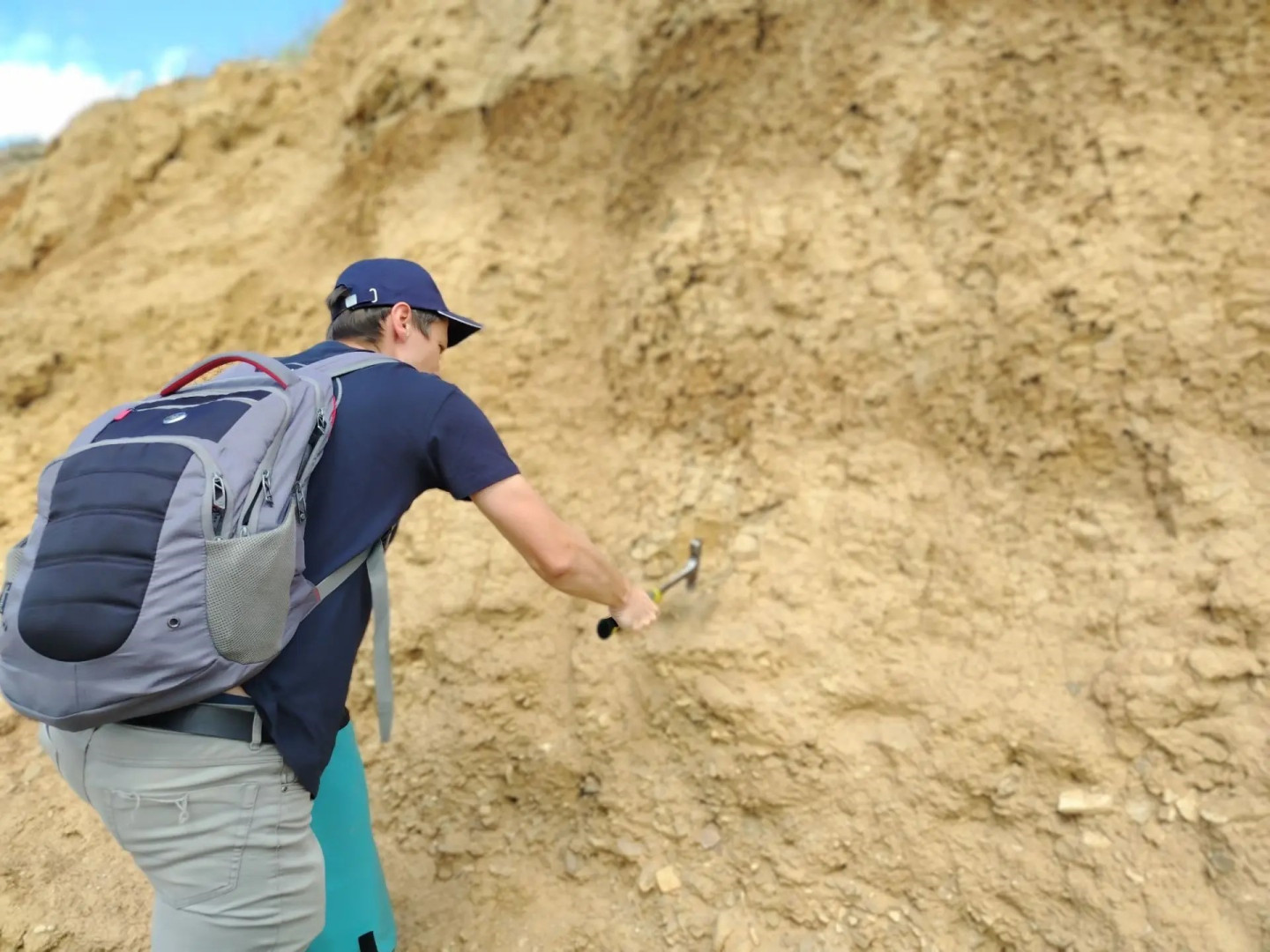
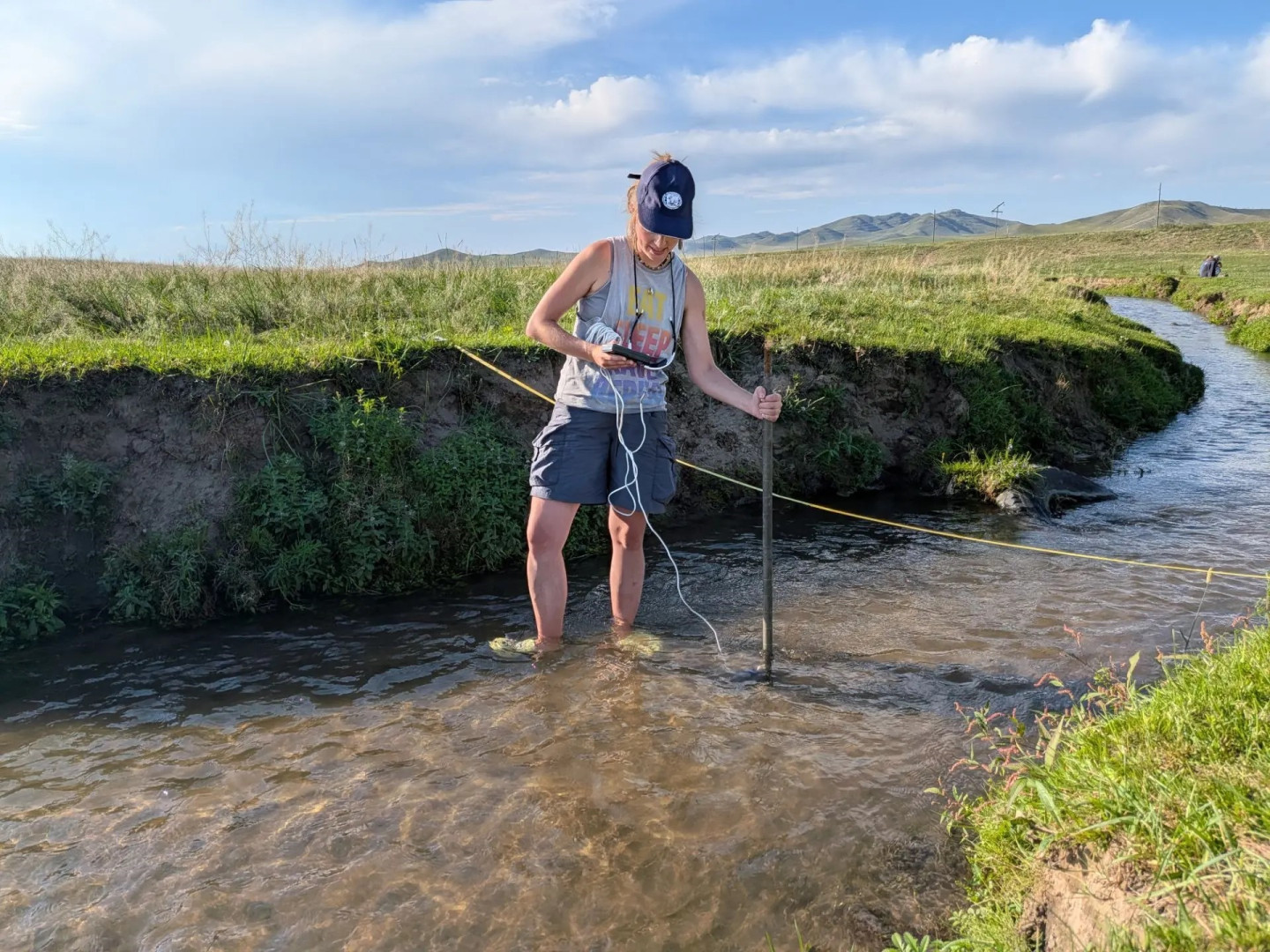
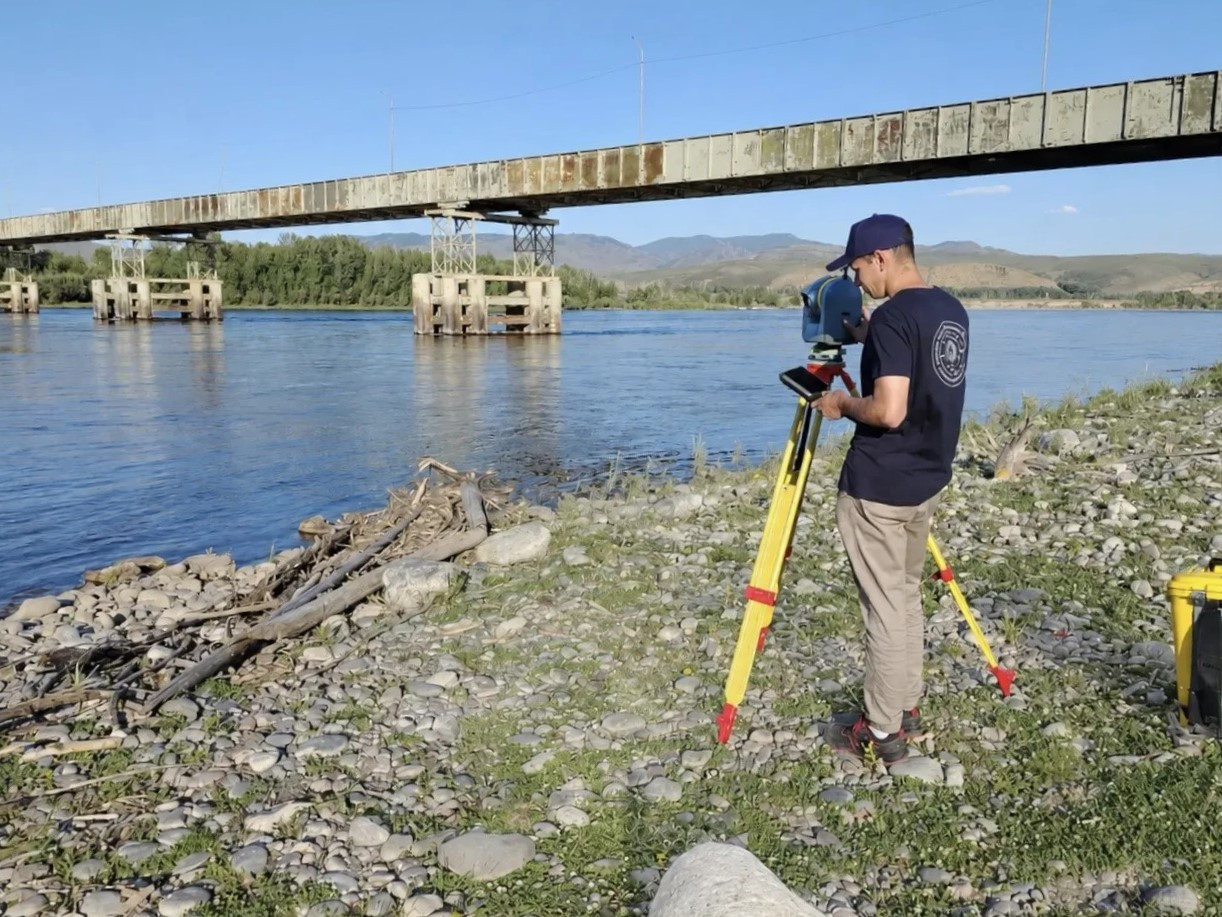
Scientific research will be conducted in several regions of the Republic of Tuva and in western Mongolia. During the work, scientists will conduct engineering and geodetic surveys and assess the terrain: they will study the relief, landslides and karst, analyze cargo and passenger traffic, logistics, the location of quarries and energy supply opportunities. Seismologists will assess seismic activity in the Altai-Sayan region and analyze the associated risks. Hydrologists will study environmentally sensitive zones, water consumption and flood levels near bridges. Technical specialists will carry out surveys to create orthophotoplans, which will then be added to the geoinformation system of the RGS.
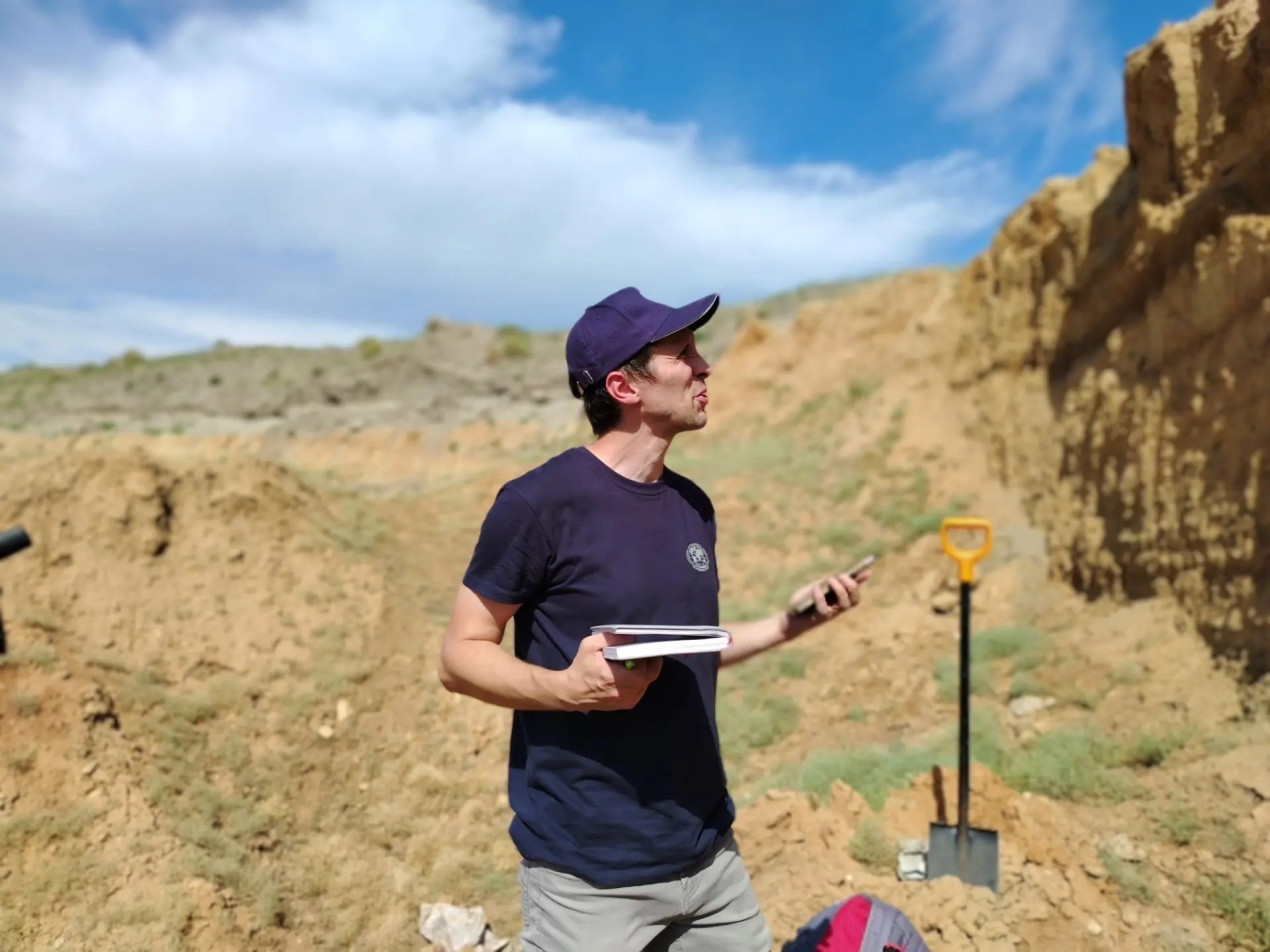
The expedition is based on a comprehensive scientific approach. Photo: Andrey Zaitsev
«Over the course of a month, the team, which brings together Russian and Mongolian specialists, will cover a route of more than 2,500 km in off-road vehicles, » noted the expedition leader, Dmitry Alekseev. «Our key task is to assess the potential of the Russia–Mongolia–China cross-border transport corridor. We will travel the route Kyzyl — Takeshken and back to obtain scientifically grounded data for the further development of the project.» Up to 30 researchers from leading scientific centers in both countries are involved in the work, including members of the regional branches of the RGS.
The outcome of the expedition will be an analytical report on the prospects for the development of the transport network, a report on the possibility of laying an alternative route through the Altai Mountains, and recommendations on choosing between electric and diesel traction for the future mainline. Separately, the scientists will prepare a construction logistics strategy, indicating specific quarry development sites. The RGS also plans to release a documentary film.
«The international expedition is based on a comprehensive approach: together with Russia’s leading specialized institutions, colleagues from the Mongolian Geographical Society and the Mongolian Academy of Sciences, and the Society’s regional branches, we will analyze the prospects for creating a route based on many criteria — from engineering to environmental ones, noted Natalya Belyakova, Director of the Expeditionary Activities and Research Department of the RGS. «We will obtain some of the data by extrapolating information about the Kuragino–Kyzyl section, which we have previously studied. The synthesis of scientific approaches will make it possible to generate a volume of data for decision-making.»
The RGS continues its systematic work to study Russia’s transport arteries. Scientists are analyzing existing highways. For example, in 2024–2025, an expedition was conducted along the route of the Baikal–Amur Mainline to assess the state of permafrost and predict seismic risks. Experts are also studying the conditions for creating promising transport corridors. In 2019 and 2020, scientists installed dozens of geothermal monitoring posts in the Yamalo-Nenets Autonomous Area and the Krasnoyarsk Territory to assess changes in climatic conditions. In Tuva, the RGS has been conducting the «Kyzyl—Kuragino» expedition since 2011, during which more than 70 monuments were examined in the construction area of the Elegest—Kyzyl—Kuragino railway line.
The project is being implemented by specialists from RUT (MIIT), the Institute of Physics of the Earth of the RAS, Lomonosov Moscow State University, the Siberian Fire and Rescue Academy of the Ministry of Emergency Situations of Russia, and the Water Problems Institute of the RAS. The key partners on the Mongolian side are the Mongolian Geographical Society and the Institute of Geography and Geoecology of the Mongolian Academy of Sciences.